- English
- French
- German
- Portuguese
- Spanish
- Russian
- Japanese
- Korean
- Arabic
- Irish
- Greek
- Turkish
- Italian
- Danish
- Romanian
- Indonesian
- Czech
- Afrikaans
- Swedish
- Polish
- Basque
- Catalan
- Esperanto
- Hindi
- Lao
- Albanian
- Amharic
- Armenian
- Azerbaijani
- Belarusian
- Bengali
- Bosnian
- Bulgarian
- Cebuano
- Chichewa
- Corsican
- Croatian
- Dutch
- Estonian
- Filipino
- Finnish
- Frisian
- Galician
- Georgian
- Gujarati
- Haitian
- Hausa
- Hawaiian
- Hebrew
- Hmong
- Hungarian
- Icelandic
- Igbo
- Javanese
- Kannada
- Kazakh
- Khmer
- Kurdish
- Kyrgyz
- Latin
- Latvian
- Lithuanian
- Luxembou..
- Macedonian
- Malagasy
- Malay
- Malayalam
- Maltese
- Maori
- Marathi
- Mongolian
- Burmese
- Nepali
- Norwegian
- Pashto
- Persian
- Punjabi
- Serbian
- Sesotho
- Sinhala
- Slovak
- Slovenian
- Somali
- Samoan
- Scots Gaelic
- Shona
- Sindhi
- Sundanese
- Swahili
- Tajik
- Tamil
- Telugu
- Thai
- Ukrainian
- Urdu
- Uzbek
- Vietnamese
- Welsh
- Xhosa
- Yiddish
- Yoruba
- Zulu
Are bovine collagen peptides a complete protein
According to the normal nutritional definition, bovine protein collagen peptides do not constitute a complete protein. To be a complete protein it must provide all 9 essential amino acids in suitable levels. Hydrolysed bovine collagen is a high source of glycine, proline and hydroxyproline, three amino acids that are not abundant in most dietary proteins, but low in tryptophan and lacking in a number of other key amino acids. This does not diminish its functional significance, it simply requires formulators to combine it with complementary protein sources in the development of a whole amino acid profile for a completed product.
Understanding Bovine Collagen Peptides and Protein Completeness
What Are Bovine Collagen Peptides?
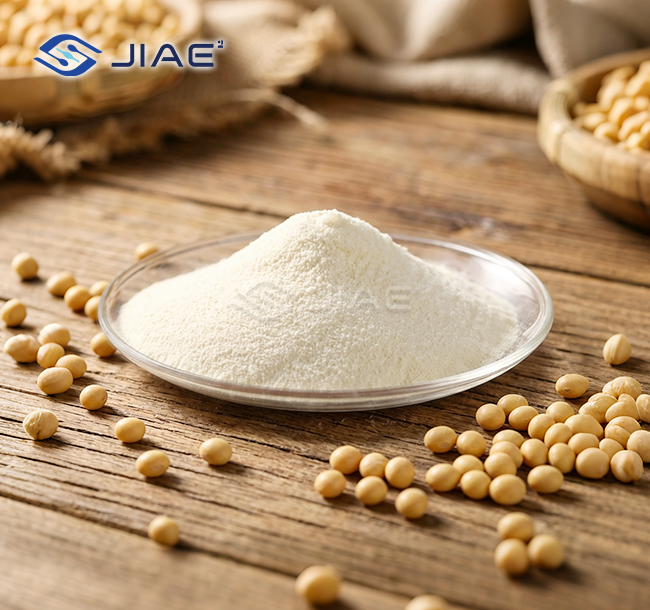
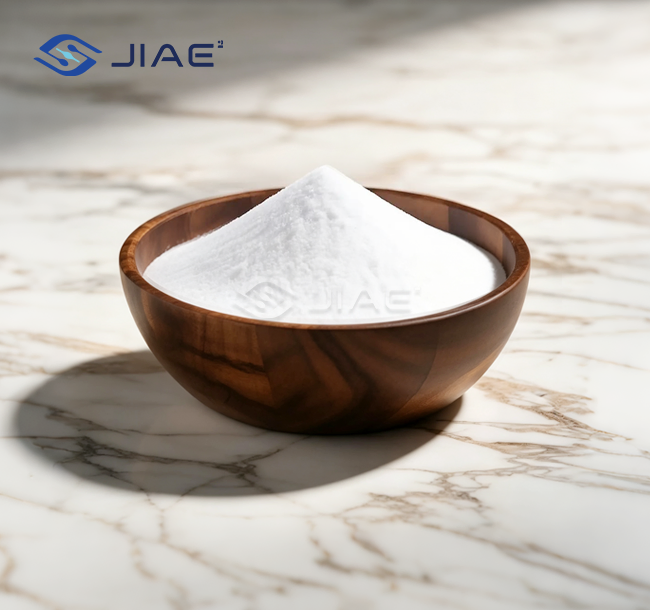
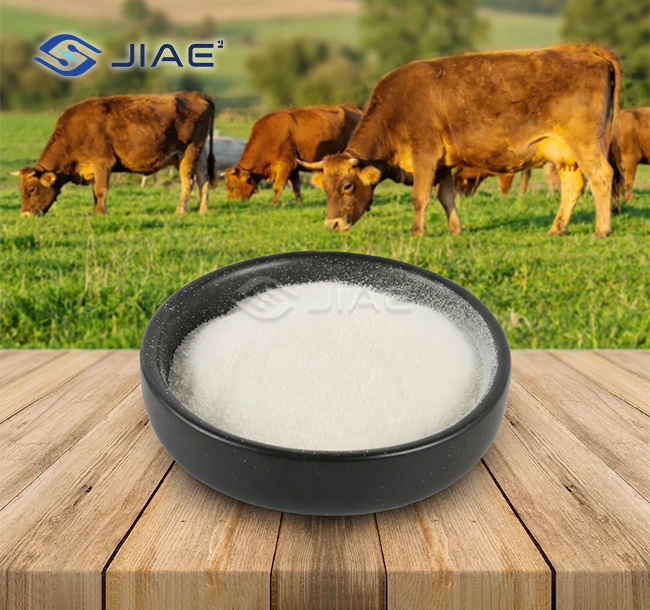
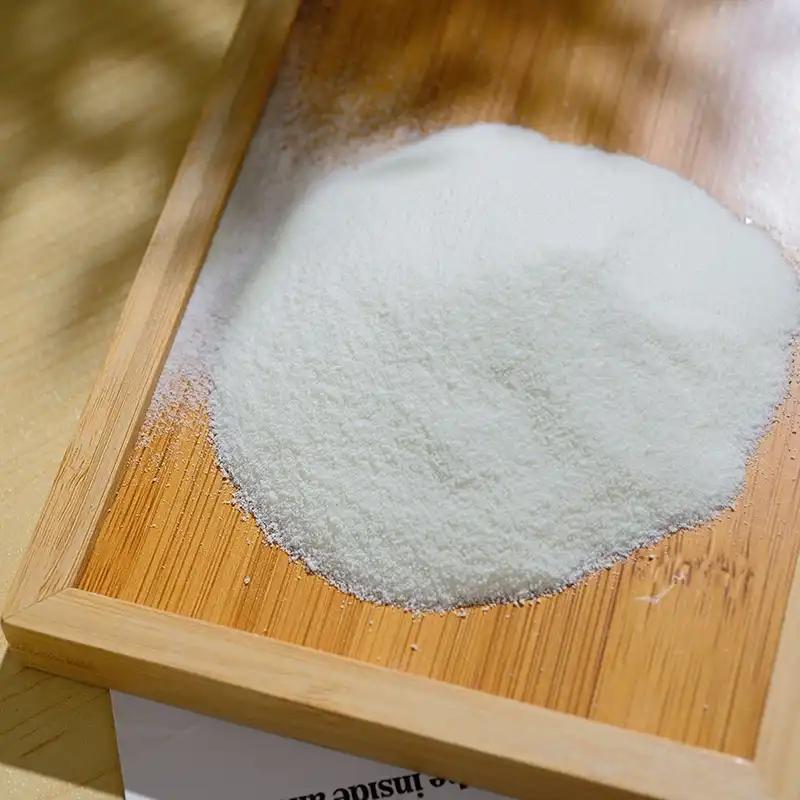
Genes in a cow’s hide break down Type I and Type III collagen into short chains of amino acids. These are bovine collagen peptides. Peptides are mostly between 800 and 5000 Daltons in size, and degrade from the original triple-helix. PEPT1 is an intestinal transporter mechanism that takes these peptides directly into cells. It is a white to pale yellow powder insoluble in cold water, remains solid up to 190 °C.
What is a Complete Protein?
A complete protein is a diet that contains the nine essential amino acids in the proportions needed by humans. These are histidine, isoleucine, leucine, lysine, methionine, phenylalanine, threonine, tryptophan and valine. The regulations verify the PDCAAS (Protein Digestibility-Corrected Amino Acid Score) and the DIAAS (Digestible Indispensable Amino Acid Score) to determine if the protein conforms to the claims on the label.
Why Collagen Falls Short—and Why That Still Matters for Formulators?
Cow collagen is not rich in tryptophan and is also deficient in some other essential amino acids. It has a low PDCAAS score. But the nitrogen conversion factor N5.79 shows that the protein content on a dry basis might be as high as 98.4%, which is far higher than the industry norm of 90.0%. In a mixed protein matrix, whey, pea, or rice protein fills in the gaps in key amino acids and collagen peptides give connective tissue specific advantages. It’s also a very rich source of nitrogen, and the nutrition information panel describes it as a cheap cost per gram of protein.
Nutritional and Functional Benefits
Amino Acid Profile That Targets Connective Tissue
It contains three amino acids that are specific to hydrolysed bovine collagen: glycine, proline, and hydroxyproline. These amino acids are what give collagen its form. effective collagen should include 10-13% hydroxyproline, and this has been demonstrated to be an effective approach to check for purity of collagen. These three amino acids allow cartilage matrix to mend and help fibroblasts in the skin to create new collagen. You can't do that with equal amounts of whey or casein proteins.
Bioavailability and Absorption Mechanics
Enzymatic breakdown reduces the molecular weight of bovine protein collagen peptides to between 800 and 2000 Dalton, which makes them easier for the body to digest. Researchers looked examined hydroxyproline-containing dipeptides in plasma and discovered that they are absorbed within one hour of eating and reach their peak quantities roughly two hours later. This depiction of absorption can aid those who are producing timed-release sports supplements or beauty-from-within supplements and need convincing proof that their chemicals function.
Comparison With Marine and Plant-Based Sources
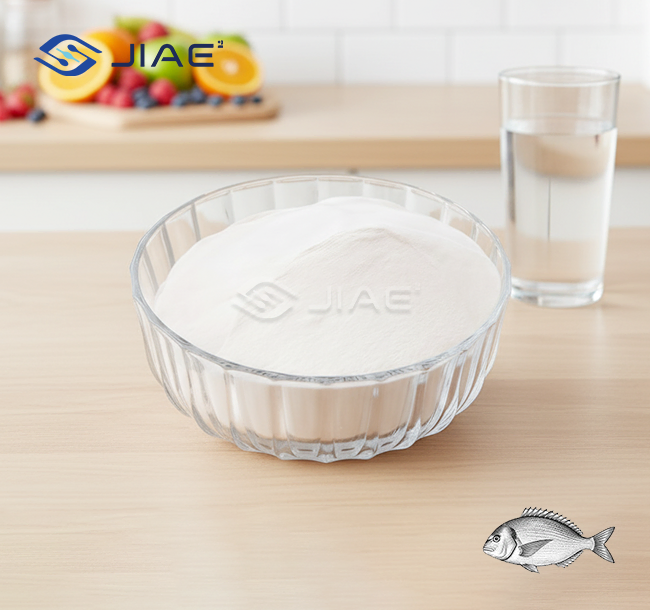
Fish skin is mainly type I collagen. It is expected to be a little more rapidly absorbed because its usual molecular weight is a little smaller. Plants don't generate collagen, hence "collagen" is a meaningless term when referring to plant-based products. Proteins and amino acid precursors in these foods are supposed to help the body create its own collagen. Bovine collagen peptides are the highest yield per kilogram when manufacturing large quantities of something. Also, their amino acid profile is consistent batch to batch which is helpful for consistent nutrition labels.
Procurement Considerations for B2B Markets
It takes more than a good price quote for a business to buy collagen peptides on a large scale. Most of the time, the data package a supplier sends determines whether a formulator can back up a protein claim, get their product through customs quickly, or pass an audit by a store.
When skilled buying teams check, these are the most important things they look for:
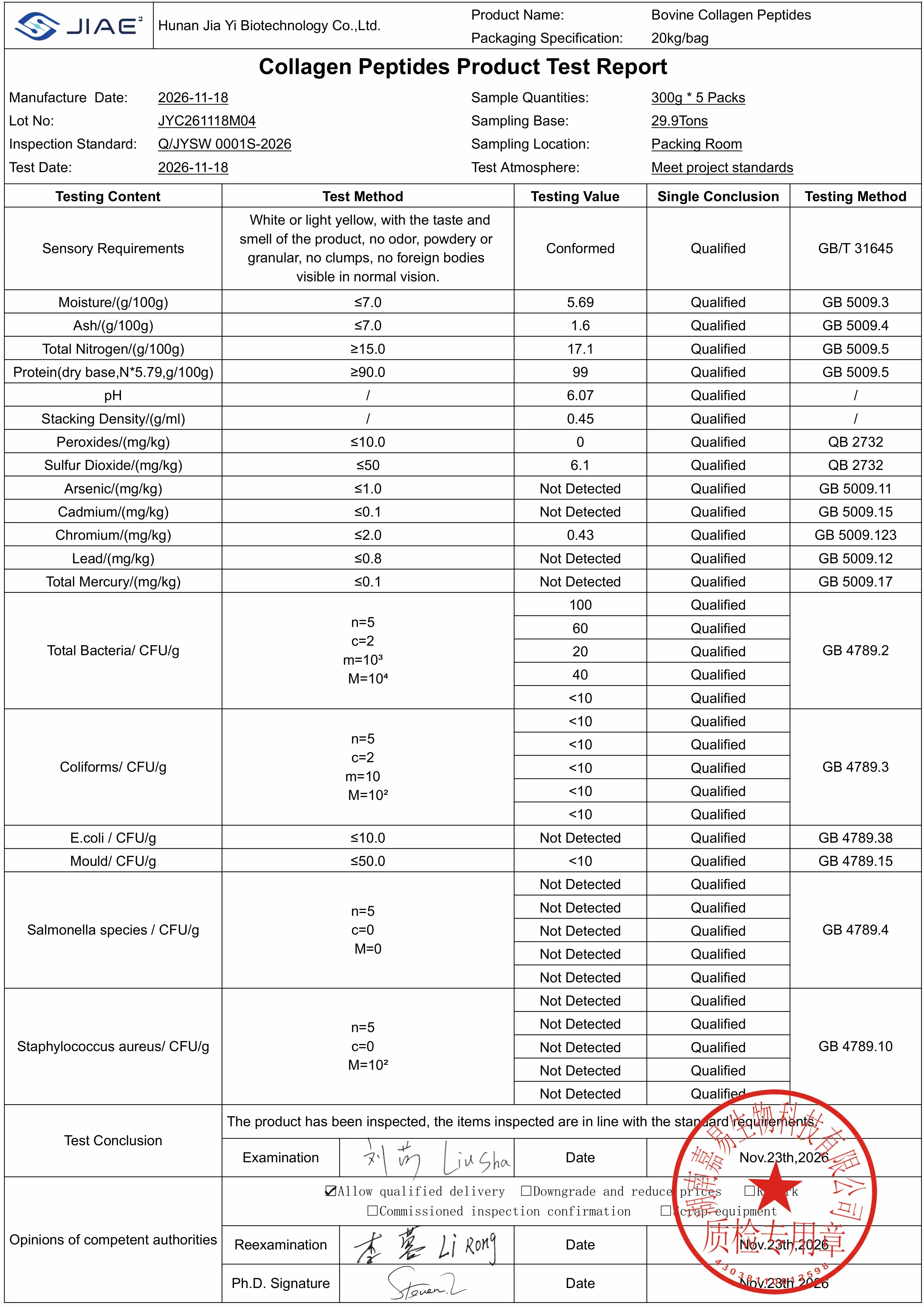
- Dry-basis protein with nitrogen factor declared: Confirm the supplier specifies N×5.55 versus N×5.79, as the choice directly affects the protein value printed on your nutrition facts panel. Jia Yi Bio's material is certified at N×5.79, yielding a tested dry-basis protein of 98.4%.
- Complete amino acid profile with hydroxyproline listed separately: Generic protein hydrolysates often lack this marker. A hydroxyproline minimum of 10% distinguishes authentic collagen peptides from blended hydrolysates.
- Third-party heavy metal and microbial reports per batch: Arsenic ≤1.0 mg/kg, lead ≤0.8 mg/kg, and full Salmonella/Staphylococcus screening are non-negotiable for US retail and private-label channels.
- Allergen declaration covering the top nine US allergens: Bovine collagen is free from gluten, dairy, soy, tree nuts, peanuts, shellfish, fish, eggs, and sesame—but this must appear on a formal allergen statement, not just implied.
These data needs are in line with what the FDA says about labels and with programs that big natural food chains in the US use to make sure they follow the rules.
Dosage Guidelines, Usage, and Formulation Notes
Recommended Inclusion Rates by Application
Most of the time, 10–15 g per day of bovine protein collagen peptides is used for skin and joint endpoints in 8–12 week studies. About 20–40% of the protein structure in protein bars and meal replacements is made up of collagen peptides. The product adds a good amount of nitrogen to the protein value given while keeping the price per serve the same.
Powder Versus Encapsulated Forms
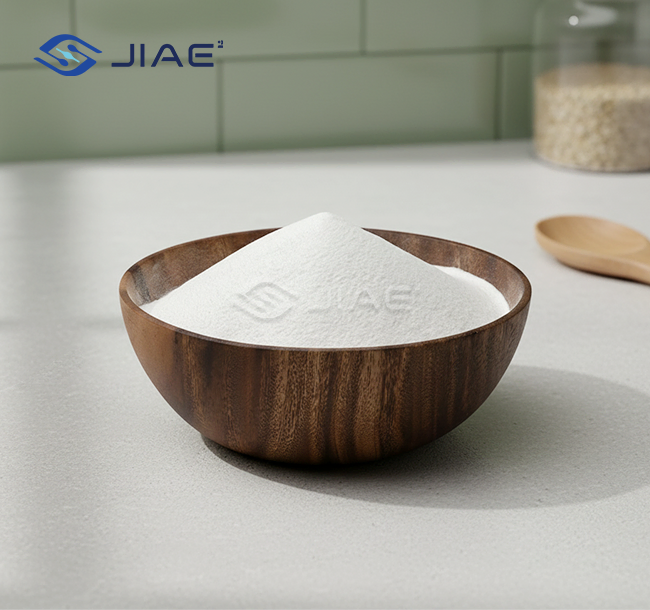
When businesses buy something, they usually get it in powder form so that it can be added right to bar binders, shake bases and RTD drinks without adding anything else. To be sure that flow agents work, they need to be tried out with pills and capsules. The bulk density of Jia Yi Bio's cow collagen powder is 0.5 g/ml, and it doesn't leave any gaps or clumps when it goes through standard auger-fill and volumetric dose tools.
Synergies and Formulation Pairing
Ascorbic acid, a type of vitamin C, is needed to change the proline and lysine groups in collagen. A recipe choice that is backed up by both science and marketing promises is to add 30–80 mg of vitamin C per dose along with collagen peptides. A lot of beauty-from-within SKUs have hyaluronic acid in them. They don't change the stability of collagen peptides in any way when mixed at the normal rates used in powder mixes.
Choosing the Right Collagen Peptide Grade for Your Product
Collagen Peptides Versus Gelatin
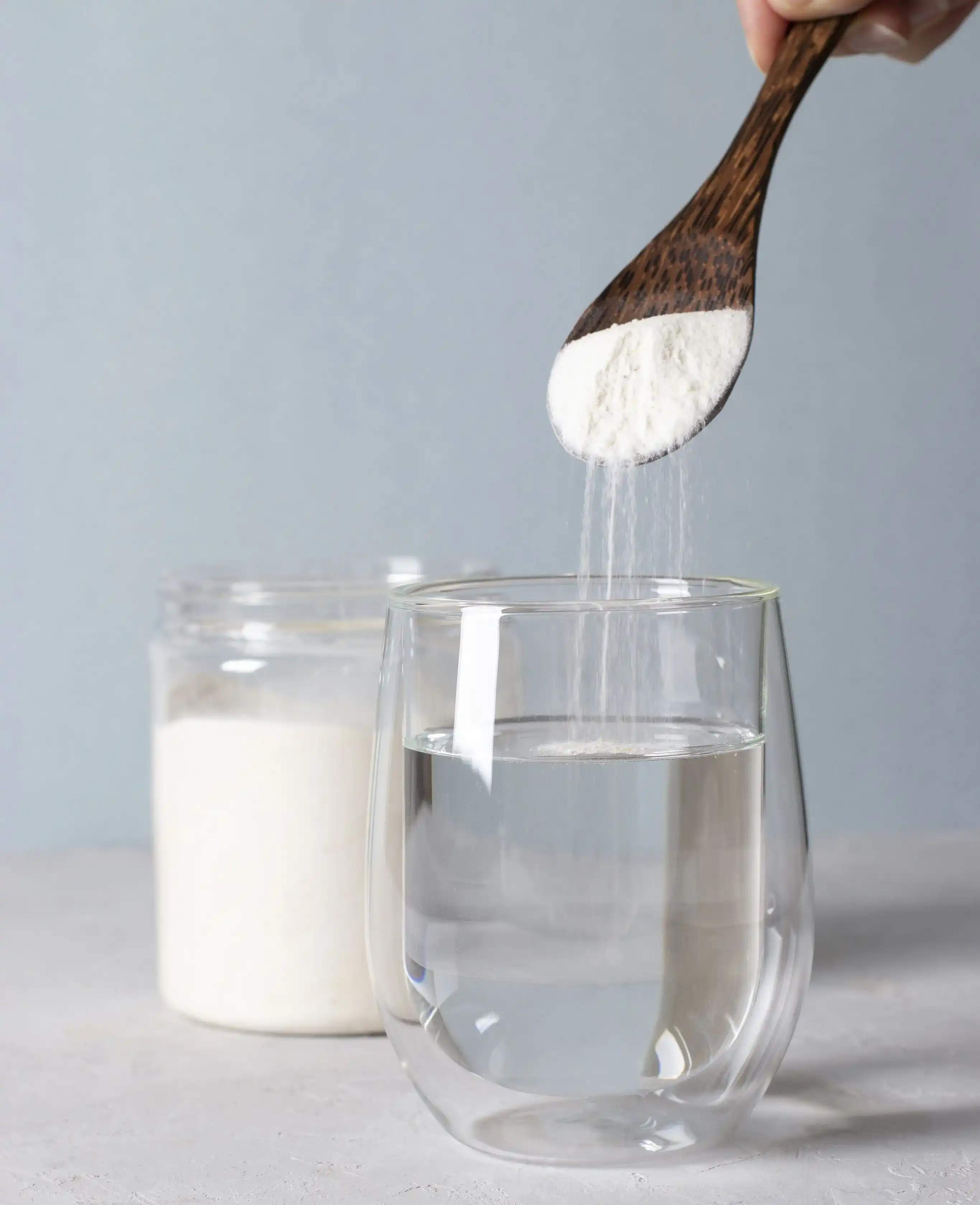
The stuff that is used to make both gelatin and hydrolysed collagen is the same. But their chemical weights and how they work are not at all the same. If you leave some of the chains of gelatin long enough, they can form hydrogen bonds, which make the gel. Collagen peptides that have been fully broken down into pieces smaller than 5,000 Dalton stay liquid in the fridge and dissolve right away in cold water. These can be used instead of gelatin in clear RTD drinks, shakes, and protein shots where the taste would get weird.
Key Selection Criteria
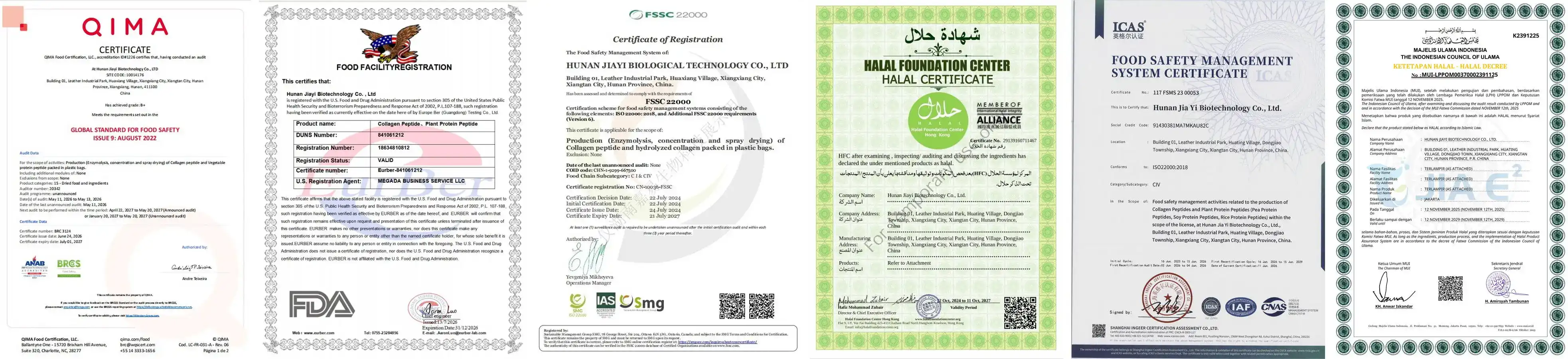
To sell your product in the US, it must be at least 95% pure, have a measured amount of hydroxyproline, be approved by FSSC 22000 and HALAL, have an easy-to-find batch COA, and list a nitrogen conversion factor. It's important that baked goods and hot drinks follow the rules and can handle heat up to 190°C. The thing that Jia Yi Bio makes does all of these things. It is also FDA-approved and meets BRC and ISO 22000 standards.
Market Trends Worth Tracking
We think that the demand for collagen peptides will rise at a rate of over 9% per year until 2030. Supplements for beauty and nutrition for sports will be the ones to lead this growth. Clean label fans in the US are becoming more interested in claims like "pasture-raised" and "grass-fed." People who can show that their raw materials can be tracked will be able to charge more in niche shops.
Conclusion
Bovine protein collagen peptides from bovine skin are not full proteins, but that doesn't mean they can't be useful in a well-thought-out mix. Because they have a lot of nitrogen, a unique amino acid pattern (especially hydroxyproline), and are stable during processing, they are a useful and cheap ingredient in protein mixes, functional drinks, and nutricosmetic products. When mixed with a different protein source, the missing essential amino acids are filled in, and the collagen part helps connective tissue in a big way that no other known protein can. People who buy from other businesses care about the quality of the source data. Full amino acid profiles, batch-consistent COAs, and allergen statements are some of the things that set trustworthy collagen peptide makers apart from the rest.
FAQ
Can collagen peptides replace whey protein entirely in a protein bar formula?
Not without reformulation risk. Collagen lacks tryptophan and scores low on PDCAAS, so a bar relying solely on collagen cannot support a high-quality protein claim under FDA guidelines. Most formulators blend collagen at 20–40% of the protein matrix alongside whey, pea, or rice protein to balance cost, amino acid coverage, and texture performance.
What is the difference between hydrolyzed and non-hydrolyzed collagen?
Non-hydrolyzed collagen retains a high molecular weight (above 100,000 Daltons) and poor water solubility. Hydrolyzed collagen peptides are enzymatically reduced to 800–5,000 Daltons, which allows rapid dissolution and direct intestinal absorption. For any functional food or supplement application, the hydrolyzed form is the formulation-relevant choice.
Does sourcing origin affect collagen peptide quality?
Raw material traceability affects heavy metal load and microbial baseline more than amino acid profile, which remains structurally fixed by bovine collagen biology. Suppliers with integrated production and three-year batch traceability records—as Jia Yi Bio maintains—offer significantly lower audit risk for US private-label brands.
How should bulk collagen powder be stored?
Store in sealed, moisture-barrier packaging at temperatures below 25°C and relative humidity below 60%. Under these conditions, the shelf life of Jia Yi Bio's bovine collagen peptide powder is 24 months from production date.
Partner With JIAE² for Verified Bovine Protein Collagen Peptides
It is possible to buy high-quality bovine protein collagen peptides from JIAE². These peptides have a dry-basis protein level of 98.4%, full batch COAs, and certifications from FSSC 22000, Halal, and BRC. We give buying teams everything they need to go from a sample to a big order. We can make more than 10,000 tons of bovine collagen every year, we have a warehouse in Chino, California, and we can support OEM and ODM. Today, ask for more information or a sample of 1 kg. You can go to www.jiaecollagen.comor email us at jiayi@biojiae.com.
References
1. Shaw, G., Lee-Barthel, A., Ross, M. L., Wang, B., & Burke, L. M. — American Journal of Clinical Nutrition, 2017.
2. Proksch, E., Segger, D., Degwert, J., Schunck, M., Zague, V., & Oesser, S. — Skin Pharmacology and Physiology, 2014.
3. Kleinnijenhuis, A. J., Butre, C. I., Minekus, M., Gruppen, H., & Wierenga, P. A. — Journal of Agricultural and Food Chemistry, 2020.
4. Boland, M. J., Rae, A. N., Vereijken, J. M., Meuwissen, M. P. M., Fischer, A. R. H., & van Boekel, M. A. J. S. — Trends in Food Science & Technology, 2013.
5. Zague, V. — Journal of Cosmetic Dermatology, 2008.
6. Food and Drug Administration (FDA) — Guidance for Industry: A Food Labeling Guide, 2013.