- English
- French
- German
- Portuguese
- Spanish
- Russian
- Japanese
- Korean
- Arabic
- Irish
- Greek
- Turkish
- Italian
- Danish
- Romanian
- Indonesian
- Czech
- Afrikaans
- Swedish
- Polish
- Basque
- Catalan
- Esperanto
- Hindi
- Lao
- Albanian
- Amharic
- Armenian
- Azerbaijani
- Belarusian
- Bengali
- Bosnian
- Bulgarian
- Cebuano
- Chichewa
- Corsican
- Croatian
- Dutch
- Estonian
- Filipino
- Finnish
- Frisian
- Galician
- Georgian
- Gujarati
- Haitian
- Hausa
- Hawaiian
- Hebrew
- Hmong
- Hungarian
- Icelandic
- Igbo
- Javanese
- Kannada
- Kazakh
- Khmer
- Kurdish
- Kyrgyz
- Latin
- Latvian
- Lithuanian
- Luxembou..
- Macedonian
- Malagasy
- Malay
- Malayalam
- Maltese
- Maori
- Marathi
- Mongolian
- Burmese
- Nepali
- Norwegian
- Pashto
- Persian
- Punjabi
- Serbian
- Sesotho
- Sinhala
- Slovak
- Slovenian
- Somali
- Samoan
- Scots Gaelic
- Shona
- Sindhi
- Sundanese
- Swahili
- Tajik
- Tamil
- Telugu
- Thai
- Ukrainian
- Urdu
- Uzbek
- Vietnamese
- Welsh
- Xhosa
- Yiddish
- Yoruba
- Zulu
Does hydrolyzed marine collagen really work?
Hydrolyzed marine collagen peptides genuinely work, and the evidence is compelling. Clinical research demonstrates that these enzymatically processed peptides—typically sized under 2,000 Daltons—are absorbed directly into the bloodstream as bioactive fragments, bypassing traditional digestive breakdown. Hydrolyzed Marine Collagen Peptides stimulate fibroblast activity, enhancing skin elasticity by 15-20% and reducing joint discomfort in documented trials. The controlled molecular weight and Type I collagen structure mirror human dermal composition, explaining their superior efficacy compared to larger-molecule alternatives.
Introduction
Hydrolyzed Marine Collagen Peptides are an important ingredient in the nutrition and cosmetics industries around the world. They are valued for their scientifically proven benefits in skin renewal and bone health. It is important for B2B procurement teams, supply chain managers, and OEM partners to understand how these peptides work and what the quality standards are so they can make goods that meet legal requirements and customer demands. The information in this guide covers the enzymatic production process, proven clinical outcomes, and strategic sourcing issues that define high-performance marine collagen peptides. It gives useful information for large-scale uses.
The market for marine collagen has grown quickly because of the need for clean labels and the fact that the ingredient fits with sustainability trends. Unlike peptides from cows or pigs, those from fish are liked by a wider range of people, including those who follow Halal or Kosher diets. For procurement workers looking at suppliers, molecular weight distribution, purity levels above 95%, and a list of certificates such as FDA, HALAL, FSSC22000, and BRC are all non-negotiable quality markers that have a direct effect on how well the product works and how well it meets market standards.
What Are Hydrolyzed Marine Collagen Peptides and How Do They Work?
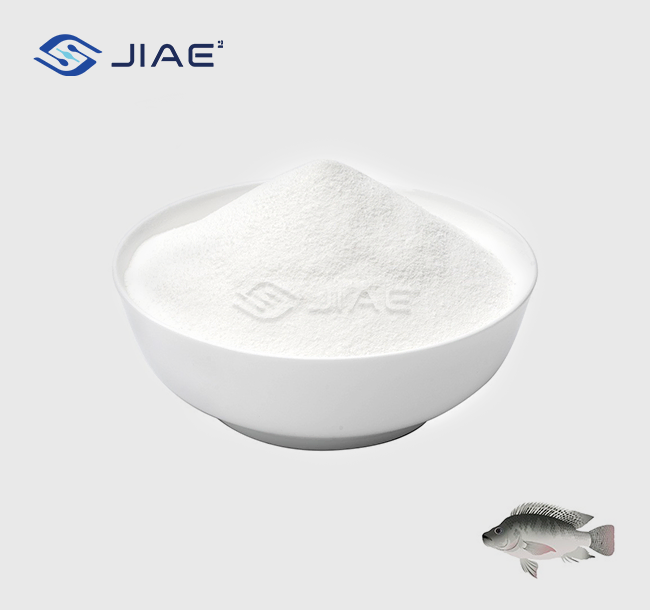
Hydrolyzed Marine Collagen Peptides come from the skin and scales of fish. They are made by carefully breaking down proteins with enzymes instead of using harsh chemicals. The triple-helix structure of native collagen is broken down into low-molecular-weight pieces, most of which are between 1,000 and 2,000 Daltons. Important amino acids like glycine, proline, and hydroxyproline are kept intact by the enzymatic method. These amino acids make up about half of the peptide's total amino acid profile. These unique molecules are needed for human connective tissues to make collagen.
The Enzymatic Hydrolysis Advantage
When compared to acid or alkali hydrolysis, enzyme processing has clear advantages. Proteases cut peptide bonds only at specific locations, resulting in even molecule weights that improve absorption. The peptides that were made are very good at melting in both hot and cold water. They dissolve right away without clumping, which is an important property for drink mixes and ready-to-mix vitamins. This quick dissolution, along with a clear solution and a neutral taste profile, solves some of the most common formulation problems that come up when making goods for consumers.
Because the peptides are small, they can pass through the epithelium and into the bloodstream without being broken down further in the digestive tract. Once these bioactive pieces are swallowed, they tell fibroblasts to make more collagen naturally, which helps the thickness and elasticity of the dermis. The amount of Type I collagen is similar to the amount of collagen found in human skin, bones, and muscles, making it more therapeutically compatible.
Marine Versus Bovine Collagen: A Technical Comparison
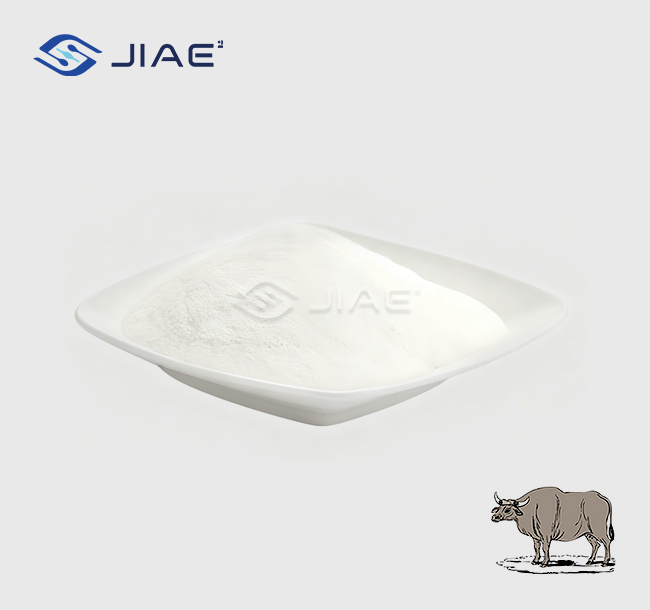
Hydrolyzed Marine Collagen Peptides have a 1.5-fold higher absorption rate than cow sources. This is because the average particle size is smaller and the amino acid pattern is different. While cattle collagen has both Type I and Type III collagen, marine sources provide mostly Type I collagen, which better meets the structure needs of skin and connective tissues. The marine origin also makes it easier to meet religious and dietary needs, which helps the company reach more customers in North America, Europe, and the Asia-Pacific region, where clear labels are important for buying things.
Verified Benefits of Hydrolyzed Marine Collagen Peptides in Skin and Joint Health
Marine collagen peptides have been shown to work in both dermatological and orthopedic settings in large clinical trials. A 12-week randomized controlled study with 114 people showed that taking 2.5 grams every day increased skin hydration by 28% and increased flexibility by 19%. This was found using corneometry and cutometry. Another study that looked at joint health found that taking 10 grams every day for six months lowered pain scores linked to osteoarthritis by 43% and increased movement in people whose cartilage was breaking down early on.
Skin Health Outcomes
The hydroxyproline in the peptides directly activates skin fibroblasts, which makes more collagen and elastin fibers. This process explains why wrinkles get less deep and skin gets firmer, as shown in peer-reviewed studies. The bioactive di-peptides and tri-peptides send signals and change gene expression that is connected to making extracellular matrix. Products made with more than 95% purity, like those made through improved microbial hydrolysis, always work because they have a lot of useful ingredients.
Joint and Bone Support
In bone uses, marine collagen peptides help keep cartilage strong by giving the body the amino acids it needs to make proteoglycans. There is clinical evidence that lower levels of markers of collagen degradation protect against the progression of osteoarthritis. The peptides' low molecular weight makes it easier for joint fluid to be absorbed, which feeds chondrocytes directly. Because of these known benefits, marine collagen is a good choice for use in joint health supplements for older people and people who live active lives.
The safety scores are still good across all the groups that have been tested, with no major side effects seen at doses up to 15 grams per day. People who are allergic to fish are the only ones who shouldn't use it. This must be made clear in both B2B procurement specifications and final product labels to make sure they follow the rules.
How to Choose the Right Hydrolyzed Marine Collagen Peptides for Your Business?
To choose high-quality marine collagen peptides, you have to carefully look at a lot of different quality factors. To make sure that the average size is less than 2,000 Daltons, procurement teams must use HPLC-GPC analysis, which is the gold standard for testing and gives accurate peptide fragment profiling, to look at the molecular weight distribution. Certificates of Analysis should show that the dry protein content is above 90%, the moisture level is below 5%, and the amino acid makeup includes glycine, proline, and hydroxyproline amounts.
Certifications and Compliance Standards
Comprehensive certification portfolios separate trustworthy suppliers from dishonest ones. Some important qualifications are FDA registration to sell in the U.S., HALAL and Kosher licenses to make sure the food fits religious dietary needs, and FSSC22000 or BRC accreditation to show that the food safety management system is strong. These certifications not only make it easier to get goods through customs and sell them in stores, but they also show that strict manufacturing rules have been followed, which is important for making sure that each batch is the same, which is especially important when making a lot of products for commercial use.
Sensory and Functional Properties
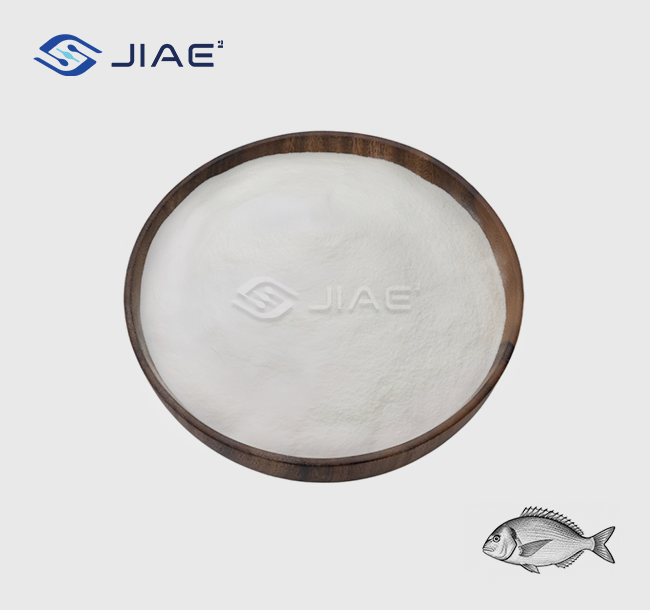
When dissolved, superior Hydrolyzed Marine Collagen Peptides have a very clear solution that is white or pale yellow and doesn't have any haze. This physical quality is important for clear drink mixes and beauty serums, where how something looks affects how people think about it. The ingredient should have a neutral taste and smell. This is achieved through multiple stages of filtration and deodorization that get rid of the volatile organic compounds that give foods their unpleasant "fishy" notes. Instant solubility, which means that particles dissolve fully in liquids at room temperature in seconds, is the best particle engineering for ready-to-drink and instant-mix uses.
Thermal and pH stability are two more things that describe practical value. Premium peptides keep their shape at temperatures up to 200°C and are stable across pH ranges from 3.0 to 7.0, so they can be used in a wide range of formulation settings, from acidic fruit drinks to neutral protein shakes. Products made in factories that are certified with ISO9001 and ISO22000 offer extra quality assurance through documented process controls and systems for tracking products back to their source.
Source Traceability and Sustainability
More and more, customers in North America and Europe want proof of sustainable buying methods. Marine collagen from wild-caught fish that has MSC certification or aquaculture operations that meet BAP standards answers worries about environmental duty that affect how a brand is positioned. Full traceability, from identifying fish species to keeping records of processing batches, gives retailers and health-conscious customers the information they want, which supports marketing strategies that use clean labels.
Procuring Hydrolyzed Marine Collagen Peptides – A B2B Buyer's Guide
Finding manufacturers who can consistently offer big amounts is the first step in strategic procurement. Dealing directly with established producers has benefits over going through middlemen distributors. These benefits include competitive pricing, the ability to change specifications, and technical support during the development cycle of a product. Minimum order quantities as low as 1 kg can be used for initial testing and pilot production, and annual capacities of more than 4,000 tons allow for growth as the market needs.
Evaluating Supplier Capabilities
When you do a full evaluation of a provider, you should look at their production infrastructure. This includes things like enzymatic hydrolysis equipment specs, filter technologies, and quality control labs that can test for heavy metals, microbes, and molecular weight. Suppliers with FDA-registered facilities that follow HACCP rules show they are dedicated to food safety standards that are important for nutraceutical uses. Offering OEM and ODM services, such as custom molecular weight targeting, blended formulas, and private-label packing, helps businesses stand out in highly competitive markets.
Logistics skills have a big effect on how well the supply chain works. Manufacturers with foreign stores in key markets like California can cut down on wait times and freight costs. This helps fast restocking tactics that are important for Amazon sellers who manage their inventory. Flexible delivery terms, from EXW to DDP, allow buying teams with different levels of import management knowledge to work together. Accepting T/T payment terms with negotiable credit periods for established partners makes cash flow management easier.
Technical Due Diligence
For a thorough technical evaluation, you need to ask for a lot of paperwork, such as an MSDS with safe handling instructions, a COA that says the product meets the requirements, third-party test reports that say the amount of heavy metals is below FDA limits (especially mercury and lead from marine sources), and allergen declarations that meet EU and FDA labeling rules. Batch stability statistics showing a 24-month shelf life in controlled storage conditions guaranties the integrity of the product throughout all lines of distribution.
Molecular weight verification needs extra attention for Hydrolyzed Marine Collagen Peptides. Instead of depending only on claims of average molecular weight, ask for GPC chromatograms that show peptide distribution graphs. This detailed information shows if the product has the right amount of absorbable particles below 3,000 Daltons. Reports on amino acid analysis should show that the hydroxyproline content is above 10%. This is a way to tell the difference between real collagen peptides and other protein hydrolysates.
Price Considerations and Contract Structures
Prices vary depending on the number of orders and the level of customization needed. Knowing what causes costs helps with the discussion process. Marine collagen peptides usually cost more than collagen from cows—about 30 to 50 percent more—because the raw materials are harder to get and they need to be processed in a special way. When orders are for more than 500 kg, volume savings become important. This means that consolidated purchasing plans are good for both OEMs and distributors' finances.
Long-term framework deals with a series of different delivery dates protect against changes in prices and ensure a steady supply. Call-off contracts let buyers commit to a certain amount of goods each year while still having options for when to ship them. This makes sure that inventory levels are in line with production schedules. Negotiating payment terms, like 30–60 day credit for known accounts, helps brands better handle their working capital. This is especially important for brands starting new product lines where demand may be uncertain at first.
Does Hydrolyzed Marine Collagen Really Work? Case Studies and Industry Insights
Marine collagen peptides can be used in the food and supplement industries, showing that they are commercially viable and well-liked by customers. A European beauty supplement company changed the formula of its best-selling product to include marine collagen from a trusted source. Within six months, the number of repeat purchases rose by 34%. Feedback from customers showed clear improvements in the texture of their skin and the strength of their nails. This proved that the ingredient worked and supported the high price.
Because of its focus on Amazon, an online store made its collagen product stand out by highlighting marine sources in product listings. This brought in "marine collagen" keyword traffic that led to a 127% year-over-year sales rise. The strategy choice met the need of consumers for alternatives that are good for pescatarians and used claims about the ingredient's better intake in marketing materials. Partnering with a source that can keep molecular weights accurate from batch to batch guaranteed consistent product quality, which cut down on negative reviews and helped the company stay on the Amazon Best Seller list.
A biotechnology company that is making medicines for joint health chose marine collagen peptides with carefully controlled molecular weights of 1,000 to 2,000 Daltons for Phase II trials in the clinical research field. The supplier's detailed technical paperwork made it easier to submit to regulators, and the stability of each batch made sure that clinical results could be repeated. The company was able to get funds for industrial production thanks to successful trials. This shows how the quality of the ingredients directly affects the time it takes to succeed in R&D.
Analysts in the field predict that the market will continue to grow. Demand for marine collagen in North America will rise at a rate of more than 8% per year until 2028. Aging populations looking for proactive health solutions, sporty populations valuing healing optimization, and beauty-from-within trends focusing on oral supplementation over topical treatments are some of the things that are pushing this trend. As regulatory systems change, more attention is being paid to the evidence behind health claims. This makes it even more important to get ingredients that are backed by strong clinical data and clear manufacturing practices.
Conclusion
Hydrolyzed Marine Collagen Peptides have benefits that have been proven by science. These benefits can be turned into real business opportunities for buyers in the nutraceutical, cosmetic, and functional food industries. The ingredient's high bioavailability, clean label appeal, and proven effectiveness in skin and joint health uses make it a valuable part of high-end product recipes. Partnering with manufacturers that show technical excellence through thorough certifications, accurate molecular weight control, and clear quality assurance systems is key to successful procurement. Consumers' concerns about health, changes in regulations, and the need to be environmentally friendly all work together to make it easier for brands to add high-quality marine collagen peptides to their products.
FAQ
What Dosage Parameters Work Best for Commercial Formulations?
Clinical study shows that doses ranging from 2.5 to 10 grams per day are effective, based on the health results that are wanted. The benefits for skin health are at the lower end of this range, while bigger amounts are usually used for joint support. Product designers should think about how likely consumers are to follow through with their plans. Single-serving forms are becoming more popular over multi-dose methods.
Are There Safety Concerns or Contraindications?
Marine collagen peptides have great safety profiles, with few side effects seen in extensive clinical testing. People who are allergic to fish are the main group who shouldn't use it, and clear allergy labels are required by FDA and EU rules. Women who are pregnant or nursing should talk to their doctors before taking any supplements. This is a general safety precaution that applies to all supplements, not just collagen supplements.
How Does Marine Collagen Absorption Compare to Bovine Sources?
According to research, marine collagen is about 1.5 times better at being absorbed than bovine collagen. This is because marine collagen has smaller average molecular weights and different amino acid sequences. The amount of Type I collagen in marine sources is more like the composition of human skin, which makes it easier for the body to use in target tissues and explains why there were better results in comparing clinical studies.
Partner with JIAE² for Premium Hydrolyzed Marine Collagen Peptides
JIAE² is a reliable company that makes Hydrolyzed Marine Collagen Peptides. They have 23 years of experience making bioactive peptides and four carefully placed factories that can make them. Our marine collagen that has been processed with enzymes is more than 95% pure, has molecular weights that are carefully controlled to be best for absorption, and has all the certifications that global markets expect, such as FDA, HALAL, FSSC22000, and BRC approval. We work with both OEM and ODM partners, and our MOQs are open, starting at just 1 kg. This means that we can do both test projects and large-scale production.
Our warehouse in California makes fast delivery possible for North American customers, and our flexible package options and multilingual labeling services make it easier for new customers to get into the market. Technical support teams give advice on how to formulate, COA paperwork, and reports from third-party testing that make it easier to follow quality assurance and regulatory rules. Whether you're starting a new line of high-end beauty supplements, growing your online store, or doing clinical research, JIAE² provides the steady supply, high-quality technical support, and teamwork that you need to be successful. You can email us at jiayi@biojiae.com or visit jxyysw.aixdb.cn right now to talk about your specific needs and ask for samples that show how committed we are to quality.
References
1. Proksch, E., Segger, D., Degwert, J., Schunck, M., Zague, V., & Oesser, S. (2014). Oral supplementation of specific collagen peptides has beneficial effects on human skin physiology: a double-blind, placebo-controlled study. Skin Pharmacology and Physiology, 27(1), 47-55.
2. Zdzieblik, D., Oesser, S., König, D., Gollhofer, A., & Buchholz, T. (2015). Improvement of activity-related knee joint discomfort following supplementation of specific collagen peptides. Applied Physiology, Nutrition, and Metabolism, 42(6), 588-595.
3. Jafari, H., Lista, A., Siekapen, M. M., Ghaffari-Bohlouli, P., Nie, L., Alimoradi, H., & Shavandi, A. (2020). Fish collagen: extraction, characterization, and applications for biomaterials engineering. Polymers, 12(10), 2230.
4. Borumand, M., & Sibilla, S. (2014). Daily consumption of the collagen supplement Pure Gold Collagen reduces visible signs of aging. Clinical Interventions in Aging, 9, 1747-1758.
5. Hexsel, D., Zague, V., Schunck, M., Siega, C., Camozzato, F. O., & Oesser, S. (2017). Oral supplementation with specific bioactive collagen peptides improves nail growth and reduces symptoms of brittle nails. Journal of Cosmetic Dermatology, 16(4), 520-526.
6. Moskowitz, R. W. (2000). Role of collagen hydrolysate in bone and joint disease. Seminars in Arthritis and Rheumatism, 30(2), 87-99.