- English
- French
- German
- Portuguese
- Spanish
- Russian
- Japanese
- Korean
- Arabic
- Irish
- Greek
- Turkish
- Italian
- Danish
- Romanian
- Indonesian
- Czech
- Afrikaans
- Swedish
- Polish
- Basque
- Catalan
- Esperanto
- Hindi
- Lao
- Albanian
- Amharic
- Armenian
- Azerbaijani
- Belarusian
- Bengali
- Bosnian
- Bulgarian
- Cebuano
- Chichewa
- Corsican
- Croatian
- Dutch
- Estonian
- Filipino
- Finnish
- Frisian
- Galician
- Georgian
- Gujarati
- Haitian
- Hausa
- Hawaiian
- Hebrew
- Hmong
- Hungarian
- Icelandic
- Igbo
- Javanese
- Kannada
- Kazakh
- Khmer
- Kurdish
- Kyrgyz
- Latin
- Latvian
- Lithuanian
- Luxembou..
- Macedonian
- Malagasy
- Malay
- Malayalam
- Maltese
- Maori
- Marathi
- Mongolian
- Burmese
- Nepali
- Norwegian
- Pashto
- Persian
- Punjabi
- Serbian
- Sesotho
- Sinhala
- Slovak
- Slovenian
- Somali
- Samoan
- Scots Gaelic
- Shona
- Sindhi
- Sundanese
- Swahili
- Tajik
- Tamil
- Telugu
- Thai
- Ukrainian
- Urdu
- Uzbek
- Vietnamese
- Welsh
- Xhosa
- Yiddish
- Yoruba
- Zulu
Bovine Skin Collagen Peptides: An Ingredient for Beauty and Nutrition Products
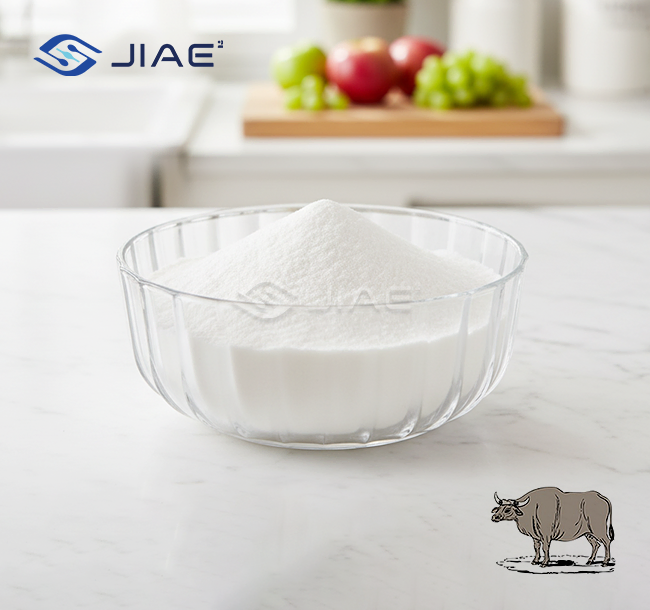
Bovine-skin collagen peptide is a bioactive protein additive produced from bovine hide by controlled enzymatic hydrolysis. It releases Type I and Type III collagen fragments with a molecular weight of 800–2,000 Da, suitable for effective intestinal absorption and targeted delivery of skin benefits. As demand for evidence-backed nutricosmetics and functional nutrition continues to expand in the U.S. and throughout the world, this ingredient has become a go-to choice for formulators of beauty-from-within supplements, RTD beverages and sports recovery products.
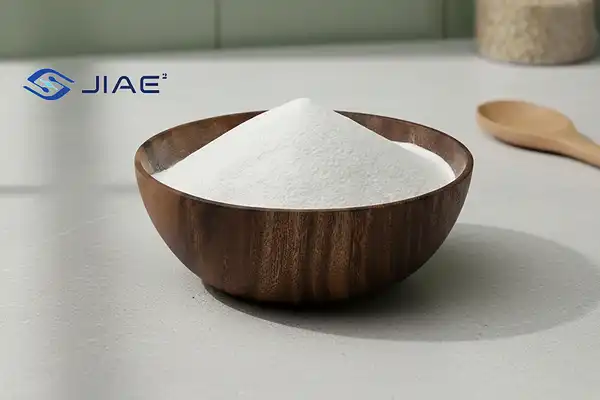
What are bovine collagen peptides?
Production Process
Controlled chemical hydrolysis of cowhide collagen (about. 300 kDa) yields small functional peptide chains. However, this molecular size is reduced to 800-2,000 Da and amino acids do not change. The final product is a white to pale yellow powder (CAS: 9064-67-9) with at least 95% purity and containing at least 90% protein by weight.
Amino Acid Composition
Its chains are loaded with Glycine, Proline, Hydroxyproline. These three amino acids form the connective tissue of individuals. Your body then uses these three amino acids to rebuild collagen in the skin. More specifically the hydroxyproline content is frequently tested to confirm that it is indeed collagen-derived substance.
How It Differs from Other Sources
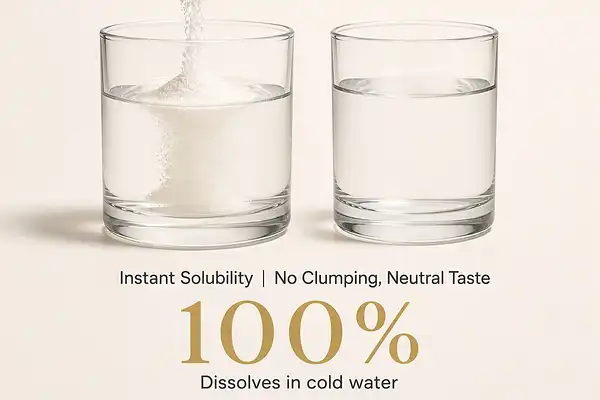
People with shellfish allergies are less likely to have an allergic reaction to bovine-skin collagen peptide than marine collagen. They can be utilised in Halal products as a substitute for bovine collagen. Hydrolysed collagen peptides do not gel at low temperatures like gelatin do. They remain fully dissolved in cold water so you can use them in many more liquid based applications.
Benefits and Applications of Bovine Skin Collagen Peptides
Skin Health and Nutricosmetic Use
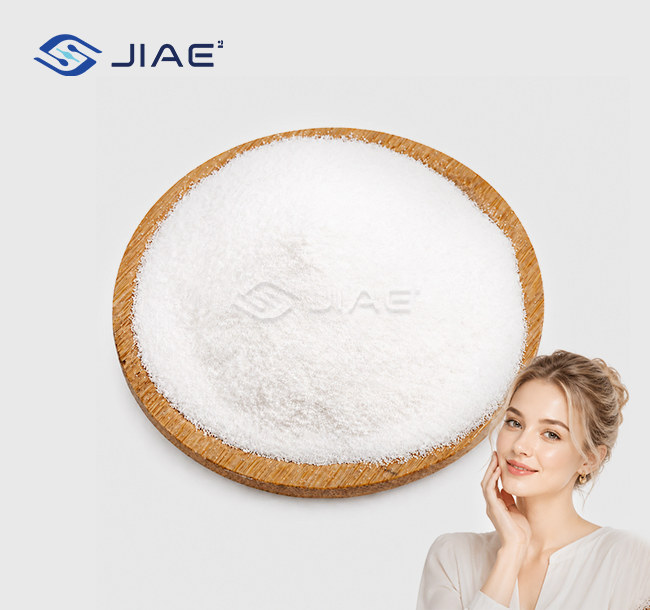
In one study published in Skin Pharmacology and Physiology (2014) , daily oral intake of hydrolysed collagen peptides for 8–12 weeks resulted in less wrinkled and more flexible skin. There are benefits that can be used by nutraceutical products that claim to make the skin firmer, more moisturised and less wrinkled.
Joint and Bone Support
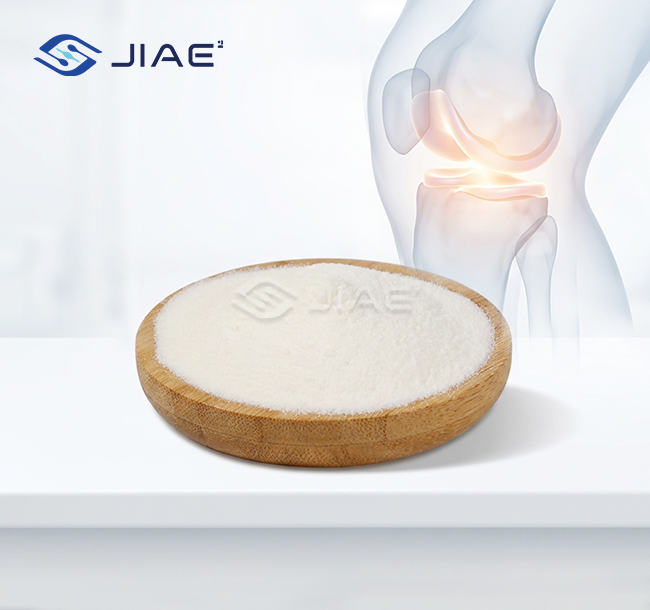
Fibroblasts work harder in cartilage tissue when broken down peptides of glycine and proline. A research in Current Medical Research and Opinion in 2008 showed that athletes who took collagen hydrolysate for 24 weeks had much less joint pain. This makes the substance plausible in joint health and being busy.
Sports Nutrition and Recovery
Bovine hide peptides include arginine and glycine, which enable the body manufacture its own creatine. The ingredient is tolerant to the high shear processing conditions it is subjected to and is stable at temperatures up to 190°C. So that means it's safe to use in a number of work environments and still get the job done.
Bovine-skin collagen peptides are quite versatile and therefore very valuable in a variety of various product categories. If formulators in any of these areas had an ingredient that always worked well, they would not have to adjust how it is created for each group.

Comparing Bovine Skin Collagen Peptides with Other Collagen Types
Bovine vs. Marine Collagen
This collagen is mainly Type I and is derived from fish skin or scales. It has a strong fragrance and it becomes more difficult to taste-test, especially in the unflavoured items. Bovine skin collagen is odourless and easily soluble in water at 5% concentration. This is a significant distinction for those who produce clear drinks or gels.
Hydrolyzed Peptides vs. Gelatin
Gelatin is collagen that has been partially hydrolysed (broken down). It's challenging when the temperature falls below 35°C. Fully broken down collagen peptides will stay in liquid form regardless of the temperature. That’s a major thing for those making RTD beverages and clear protein waters who need a protein carrier that is stable and won’t gel.
Certification and Market Fit
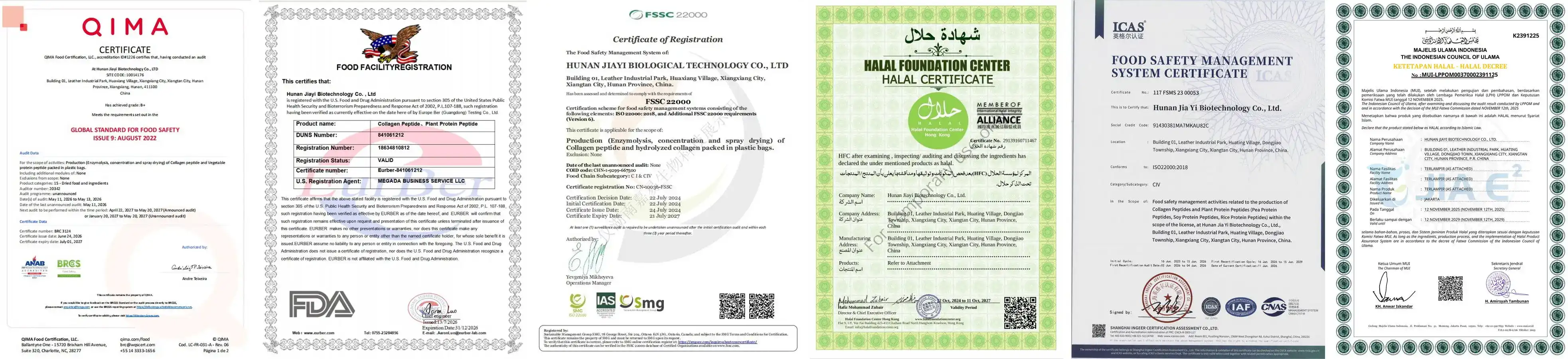
Halal and Kosher peptides can come from cow’s skin, which is crucial for persons who are Jewish or Southeast Asian or Middle Eastern. The trend is that more clean label products in the EU and North America have to be certified organic. Providers should submit supporting documentation to formulators early in the evaluation process to avoid legal delays.
Procurement Guide for Bovine Skin Collagen Peptides
The manufacturing team needs to choose a collagen peptide provider very carefully. This is because testing and registering the formula all over again makes switching providers very expensive. Before you trust a source, you should make sure of these things:
- For starters, make sure the company is certified by FDA, ISO 22000, HACCP, BRC, FSSC 22000, and Halal. With these certifications, you can be sure that the facility follows structured food safety management and has third-party audits. Each certification covers a different level of compliance, so the stack as a whole is more important than any one certification.
- Molecular weight proof: Ask for a GPC (gel permeation chromatography) report that says the peptide distribution is in the 800–2,000 Da range. This is the range where intestinal absorption through di- and tripeptide transport pathways works best, and regulators in Japan and the EU are asking formulators to back up claims of absorption with this data more and more.
- Sensory and solubility data: Make sure that the product makes a clear, colourless to pale yellow solution in cold water when diluted 5%, and that there is no unpleasant smell. In the oral beauty supplement area, complaints about fishy or rancid tastes are still one of the main reasons why products are sent back.
- Testing for stability: Check that the seller can give you 12-month data on the ingredient's stability in a normal environment with no precipitation and that it stays stable at processing temperatures of up to 190°C.
- Terms for the minimum order and samples: A provider that can send you 1 kg trial samples in 3–7 business days lets your lab team test for taste, solubility, and compatibility before you commit to bulk orders. Pack sizes of 10 kg and 20 kg make it easy to move from test runs to commercial runs without having to buy too much.
Conclusion
Bovine-skin collagen peptide is used in many mouth health and functional diet products. It can be used in most modern manufacturing processes because its molecular weight is between 800 and 2,000 Da, it has a neutral odor and taste, it dissolves in cold water, and it stays stable at 190°C. There is scientific proof that using it every day for 8 to 12 weeks can make your skin more flexible and your joints feel better. It is best for buying teams to find a provider with quality systems that are certified, full traceability, quick sampling, and legal paperwork that works in the target markets.
FAQ
In what range of molecular weights does skin benefit work best?
Peptides smaller than 2,000 Da can get through the intestinal barrier as whole di- and tripeptides, reaching the dermis and directly engaging fibroblasts. Most people think that the 800–2,000 Da range is the best range for nutricosmetic uses, and GPC testing is the standard way to confirm this.
How can I tell if a product made from bovine collagen doesn't contain BSE?
Ask for official veterinary documents from the country where the hides came from to make sure that they only come from animals that have been approved for human consumption. Suppliers with a good reputation keep records for at least three years that show where the raw materials came from, the production batch numbers, and the results of any inspections.
Can vitamin C and hyaluronic acid be mixed with bovine collagen peptides?
Yes. Collagen peptides and vitamin C are often found together in oral beauty items because vitamin C helps the body make collagen. Hyaluronic acid can be mixed with other substances at normal amounts. Before finalising a formula, you should still try its stability at the pH range you want, especially in acidic beverage matrices.
How much should you take every day?
Most clinical studies that have been published use doses of 2.5 to 10 g per day for 8 to 12 weeks. What amount is right for your product will depend on how it was made, what you want to happen, and the labelling rules in your market.
Does the ingredient stay stable when making hot drinks?
Yes. It has been shown that properly hydrolysed bovine skin collagen peptides stay effective at pasteurisation temperatures and are stable up to 190°C, which is hot enough for hot-fill, retort, and extrusion processing.
Partner with JIAE² for Premium Bovine-Skin Collagen Peptide Supply
Another name for Jia Yi Bio is JIAE². This business makes bovine-skin collagen peptide. They've been making them for 23 years and can make 10,000 tons of cow collagen a year. They also have a warehouse in Chino, California, which is outside of North America so they can send more quickly to North America. Samples are sent out between 3 and 7 business days. It is possible to make changes for OEM and ODM, get full regulatory documentation, and choose from different trade terms (FOB, CIF, DDP). Feel free to email us at jiayi@biojiae.com or visit jiaecollagen.com right away to get your sample.
References
1. Proksch, E., Segger, D., Degwert, J., Schunck, M., Zague, V., & Oesser, S. (2014). Oral supplementation of specific collagen peptides has beneficial effects on human skin physiology. Skin Pharmacology and Physiology, 27(1), 47–55.
2. Clark, K. L., Sebastianelli, W., Flechsenhar, K. R., Aukermann, D. F., Meza, F., Millard, R. L., Deitch, J. R., Sherbondy, P. S., & Albert, A. (2008). 24-Week study on the use of collagen hydrolysate as a dietary supplement in athletes with activity-related joint pain. Current Medical Research and Opinion, 24(5), 1485–1496.
3. Shigemura, Y., Kubomura, D., Sato, Y., & Sato, K. (2014). Dose-dependent changes in the levels of free and peptide forms of hydroxyproline in human plasma after collagen hydrolysate ingestion. Food Chemistry, 159, 328–332.
4. Sibilla, S., Godfrey, M., Brewer, S., Budh-Raja, A., & Genovese, L. (2015). An overview of the beneficial effects of hydrolysed collagen as a nutraceutical on skin properties. The Open Nutraceuticals Journal, 8(1), 29–42.
5. León-López, A., Morales-Peñaloza, A., Martínez-Juárez, V. M., Vargas-Torres, A., Zeugolis, D. I., & Aguirre-Álvarez, G. (2019). Hydrolyzed collagen—sources and applications. Molecules, 24(22), 4031.
6. Asserin, J., Lati, E., Shioya, T., & Prawitt, J. (2015). The effect of oral collagen peptide supplementation on skin moisture and the dermal collagen network. Journal of Cosmetic Dermatology, 14(4), 291–301.