- English
- French
- German
- Portuguese
- Spanish
- Russian
- Japanese
- Korean
- Arabic
- Irish
- Greek
- Turkish
- Italian
- Danish
- Romanian
- Indonesian
- Czech
- Afrikaans
- Swedish
- Polish
- Basque
- Catalan
- Esperanto
- Hindi
- Lao
- Albanian
- Amharic
- Armenian
- Azerbaijani
- Belarusian
- Bengali
- Bosnian
- Bulgarian
- Cebuano
- Chichewa
- Corsican
- Croatian
- Dutch
- Estonian
- Filipino
- Finnish
- Frisian
- Galician
- Georgian
- Gujarati
- Haitian
- Hausa
- Hawaiian
- Hebrew
- Hmong
- Hungarian
- Icelandic
- Igbo
- Javanese
- Kannada
- Kazakh
- Khmer
- Kurdish
- Kyrgyz
- Latin
- Latvian
- Lithuanian
- Luxembou..
- Macedonian
- Malagasy
- Malay
- Malayalam
- Maltese
- Maori
- Marathi
- Mongolian
- Burmese
- Nepali
- Norwegian
- Pashto
- Persian
- Punjabi
- Serbian
- Sesotho
- Sinhala
- Slovak
- Slovenian
- Somali
- Samoan
- Scots Gaelic
- Shona
- Sindhi
- Sundanese
- Swahili
- Tajik
- Tamil
- Telugu
- Thai
- Ukrainian
- Urdu
- Uzbek
- Vietnamese
- Welsh
- Xhosa
- Yiddish
- Yoruba
- Zulu
Soy Protein Multi-Peptide
Main Active: Soy protein
Purity: 95%+
Place of Origin: CN
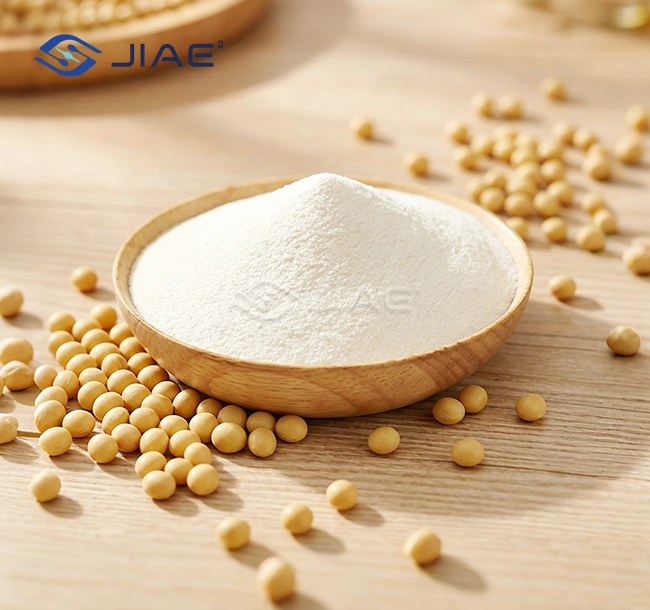
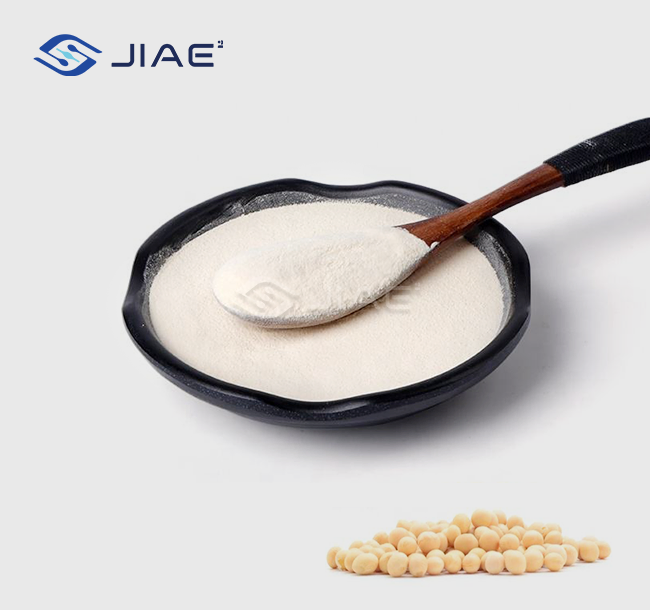
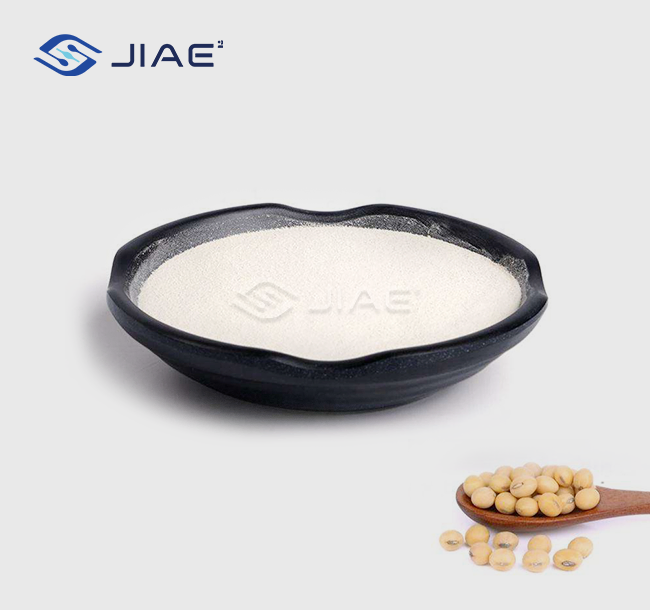
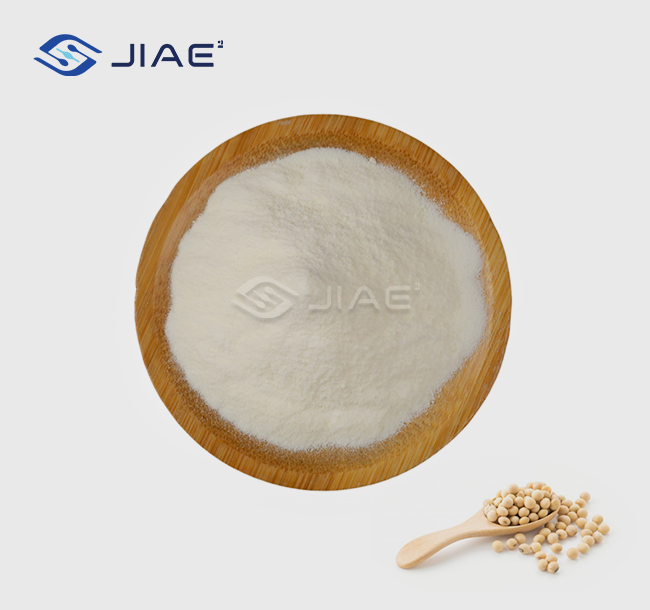
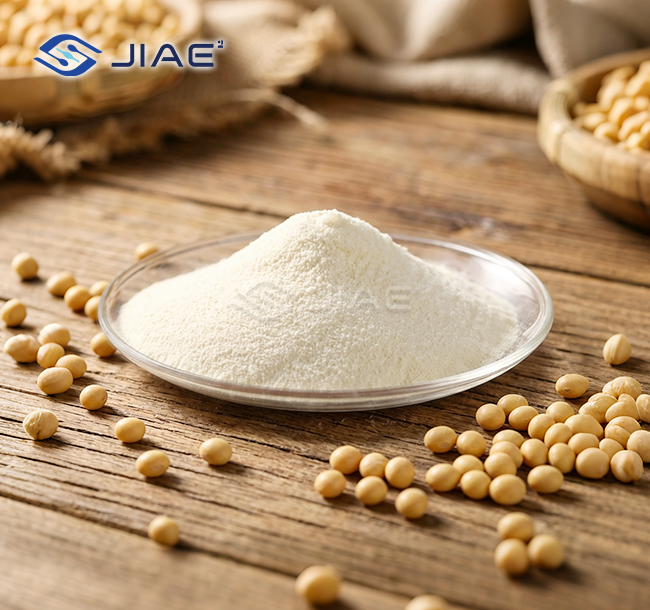
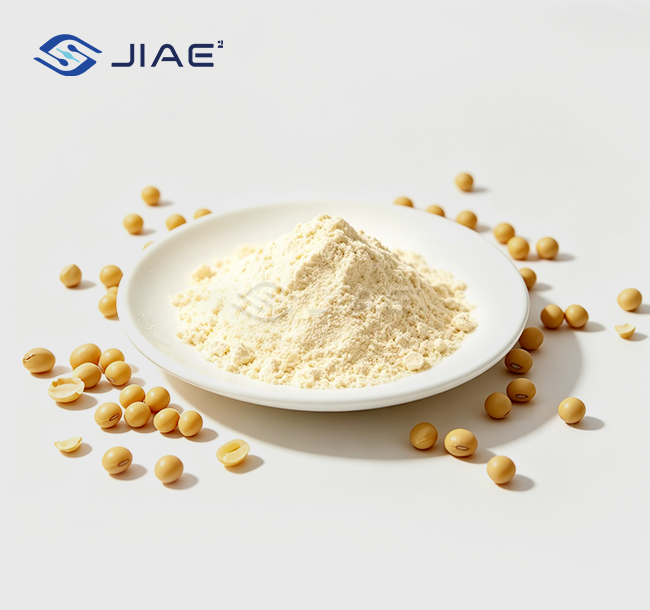
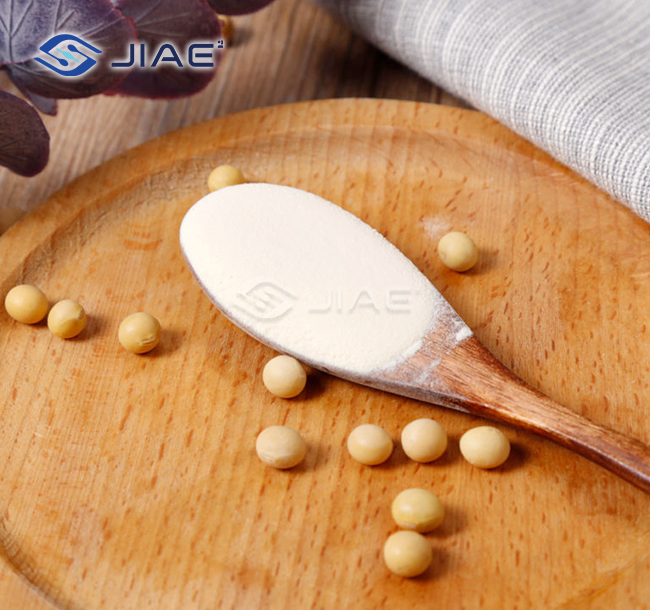
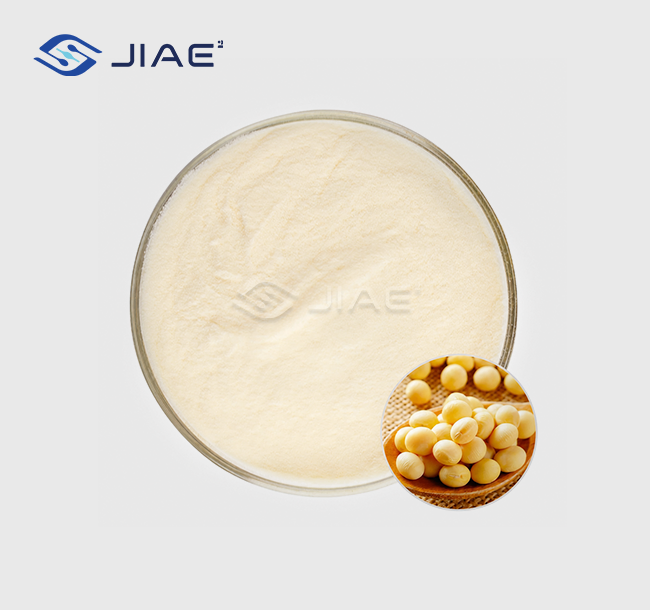
Physical Form: White to light yellow powder
Quality Standards: FDA、 ISO9001、 ISO22000、 HACCP、 BRC、 FSSC22000、HALAL
Shipping Terms: EXW, FOB, CFR, CIF, DAP, DDP
Payment Options: T/T Wire Transfer Preferred
Transport: Air, Sea or Rail
Available Services: OEM / ODM
Stock: Ample Supply; Safe and Prompt Delivery
Package Options: 10 kg, 20 kg
Order Minimum: 20 kg
Shelf Life: 2 years
CAS ID: 68308-82-7
Soy Protein Multi-Peptide for High-Bioavailability Nutrition Solutions
Soy Protein Multi-Peptide begins as non-GMO soybean isolate from Hunan Jiayi Biotechnology Co. Ltd. Enzymatic hydrolysis does the real work. Jia Yi Bio has been at this for 23 years and runs 15,000 tonnes of manufacturing capacity. Nutritional ingredients for enterprise use come out of our plant, and they meet international standards. Several bioactive peptide portfolios sit in our range too. Purity reaches 95%+. Close to 90% of the molecules weigh under 1,800 Daltons. That means quick absorption, and solubility holds up across many formulation settings. Quality is backed by FDA, ISO 9001, ISO 22000, HACCP, BRC, FSSC 22000, and HALAL certifications. Traceability covers the whole run, from raw material sourcing to delivery.
What Makes Our multi-peptide Different?
Normal soy protein isolates need heavy digestion before the body can take them in. Acidic beverages run into trouble right there. Nutrient delivery in performance nutrition hits the same wall.
Enzymatic hydrolysis is what changes the soybean protein in our product. The short-chain peptide mix is a clever one. It goes around digestion. Ordinary protein sources take 2-3 hours. PepT1 transporters get these peptides into your bloodstream in 30-60 minutes.
In water this raw material dissolves fast. The solution comes out clear and holds up in acid. No beany aftertaste shows up either. Tricky formulation matrices are no problem here. Protein waters work well. So do therapeutic nutrition products and sports recovery beverages.
Technical Specifications
| Testing Content | Test Method | Testing Value | Single Conclusion | Testing Method | ||
| Sensory Requirements | White or light yellow, with the taste and smell of the product, no odor, powdery or detailed, no clumps, no foreign bodies visible in normal vision. |
Conformed | Qualified | GB 31611 | ||
| Moisture/(g/100g) | ≤7.0 | 4.1 | Qualified | GB 5009.3 | ||
| Ash/(g/100g) | ≤7.0 | 5.7 | Qualified | GB 5009.4 | ||
| Total Nitrogen/(g/100g) | ≥11.2 | 14.8 | Qualified | GB 5009.5 | ||
| Crude protein / (dry basis, N*6.25, g/100g) |
≥70.0 | 92.5 | Qualified | GB 5009.5 | ||
| Relative percentage of peptides with relative molecular masses in the range of 189-10,000 / % |
≥60.0 | Conformed | Qualified | GB 31645 | ||
| Urease (urease) activity | Negative | Conformed | Qualified | GB 20371 | ||
| Crude fat (dry basis) / % | ≤1.0 | Conformed | Qualified | GB 5009.6 | ||
| pH | / | 6.33 | Qualified | / | ||
| Stacking Density/(g/ml) | / | 0.46 | Qualified | / | ||
| Arsenic/(mg/kg) | ≤0.3 | Conformed | Qualified | GB 5009.11 | ||
| Cadmium/(mg/kg) | ≤0.1 | Conformed | Qualified | GB 5009.15 | ||
| Lead/(mg/kg) | ≤0.8 | Conformed | Qualified | GB 5009.12 | ||
| Total Mercury/(mg/kg) | ≤0.1 | Conformed | Qualified | GB 5009.17 | ||
| Total Bacteria/ CFU/g | n=5,c=2,m=10³,M=10⁴ | 110,40,20,90,120 | Qualified | GB 4789.2 | ||
| Coliforms/ CFU/g | n=5,c=2,m=10,M=10² | <10 | Qualified | GB 4789.3 | ||
| E.coli / CFU/g | ≤10.0 | Conformed | Qualified | GB 4789.38 | ||
| Mould/ CFU/g | ≤50.0 | <10 | Qualified | GB 4789.15 | ||
| Salmonella species / CFU/g | n=5,c=0,M=0 | Conformed | Qualified | GB 4789.4 | ||
| Staphylococcus aureus/ CFU/g | n=5,c=0,M=10² | Conformed | Qualified | GB 4789.10 | ||
Strong Solubility and Neutral Taste Profile
Formulation flexibility is key in luxury beverage and clinical nutrition product development. Standard hydrolysed proteins bring bitterness or cloudiness. That gets in the way of creativity.
This exopeptidase removes terminal hydrophobic amino acids that cause off flavours. Delicate fruit flavours fit your neutral-tasting element. Fizzy drinks and clear beverages fit it too.
The powder mixes into cold water. No clumps form. Nothing settles out. Regular soy proteins fall out of solution at their isoelectric point when the pH turns acidic or the temperature shifts. This one holds steady through both.
Rapid Absorption for Performance and Clinical Applications
Bioavailability is how sports nutrition and medicinal foods judge an ingredient. Before absorption, enzymes break intact proteins down heavily. Uptake then slows. It varies from case to case.
Nitrogen reaches peptide transporters through Soy Protein Multi-Peptide. Muscle protein synthesis speeds up with your formulas. That makes them well suited to delayed-onset muscle pain goods for post-workout rehabilitation.
Clinical nutrition is one place where this wins every time. Older adults get nitrogen balance right away. Digestion stays easy on them. The same is true for people whose gut does not work well. Your product can then go into enteral feeding and medicinal foods.
Hypoallergenic Profile with Anti-Nutritional Factors Removed
Soy naturally contains trypsin inhibitors and lectins. Digestive trouble can follow, and the body gets less protein out of the food. Products made from soy with very little processing keep these anti-nutritional elements.
Enzymatic hydrolysis does a good job of breaking these chemicals apart. A sensitive stomach copes with this hypoallergenic substance without trouble. Shoppers who avoid soy can now buy your products with this safety profile.
Phytic acid trouble drops when processing gets better. Minerals are then easier to absorb in the final formulations.
Versatile Applications Across Multiple Categories for Soy Protein Multi-Peptide
Sports Nutrition: Fast-absorbing protein powders are one route. Smoothies work too. So do fluids. That fast uptake helps muscle repair methods. Such methods need amino acids right away.
Functional Drinks: Clear protein drinks are one option. Fizzy wellness drinks are another. Drinks with added juice also work. Acid stability and clarity open up new product ideas. Regular proteins cannot do that.
Clinical Nutrition: Make supplements for gut health, for older people, and for recovery. Digestion may be poor. Peptides still carry nutrients even in that case.
Healthy Ageing Products: Hold on to muscle mass and push back against sarcopenia. As people get older, the body produces fewer digestive enzymes. Strong absorption goes some way to covering that gap.
Quality Assurance and Global Compliance
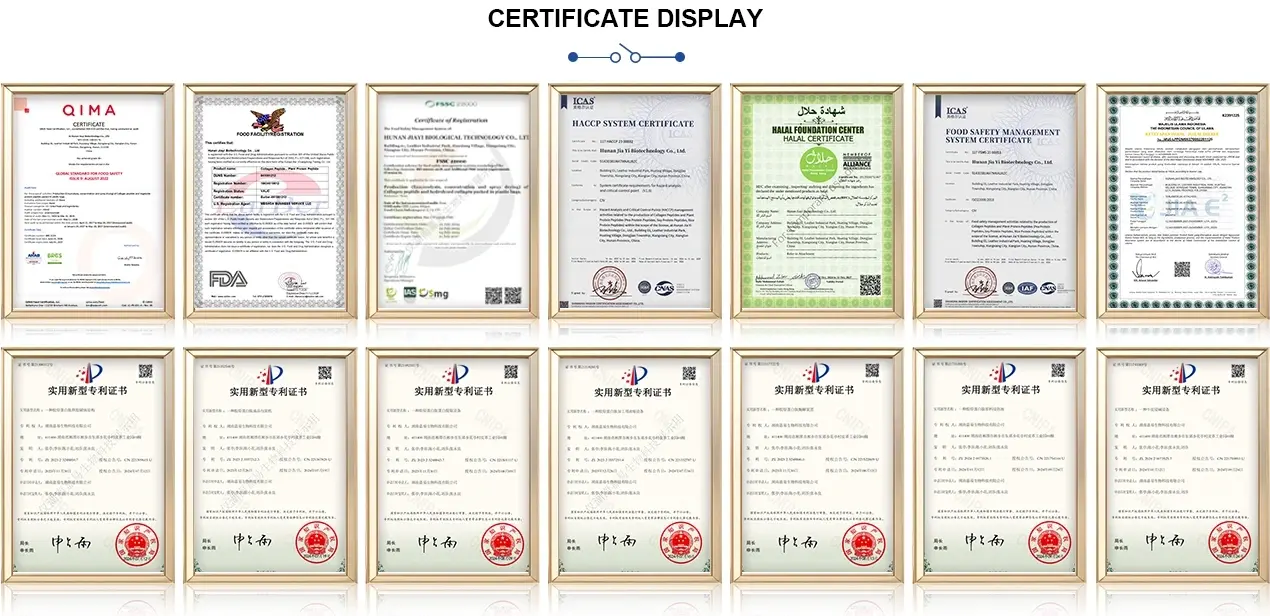
Each production batch is tested according to international norms. A HPLC molecular weight distribution investigation demonstrates peptide size uniformity. Determining hydrolysis degree ensures batch consistency.
A complete amino acid profile is the proof of the nutrition. Heavy metal and pesticide residue tests guard the brand's good name. No E. coli or Salmonella means it is safe, and so does an overall plate count below 1,000 cfu/g.
Our quality records go back three years. Every batch can be traced. So when a problem turns up, the root cause gets found fast. Each shipment comes with COAs, MSDS, and third-party test results.
Flexible Supply Solutions and Global Logistics
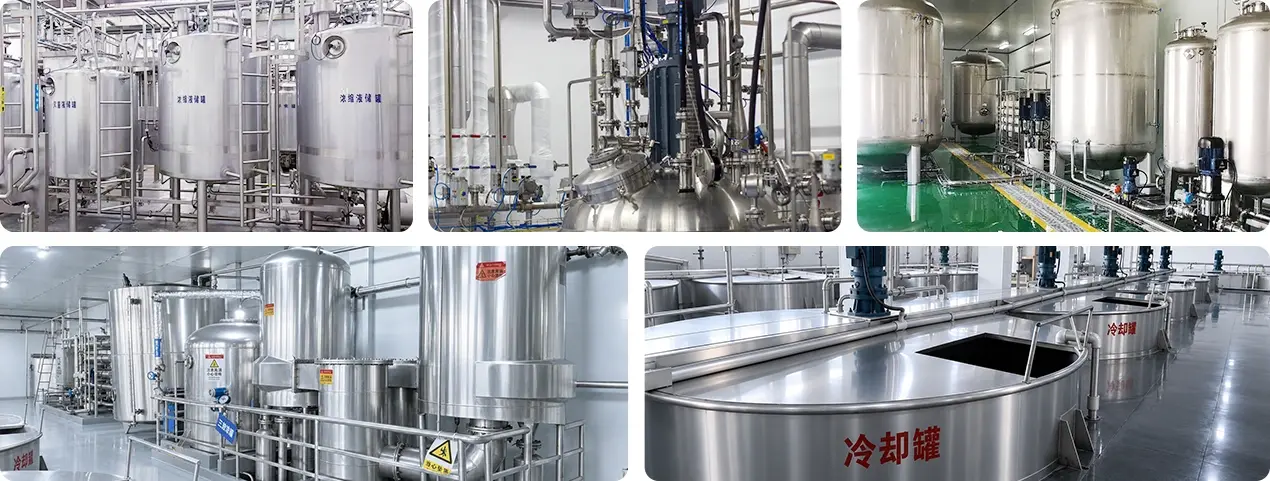
Jia Yi Bio runs four manufacturing bases. Together they turn out more than 15,000 tonnes a year. Large-volume contracts and setup agreements are no problem at that scale.
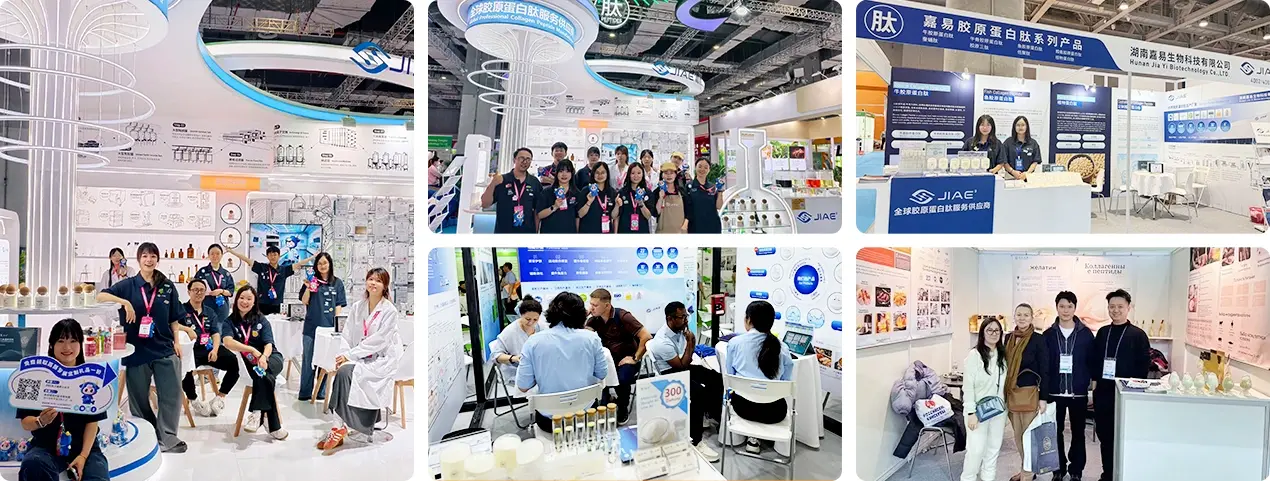
California and Thai warehouses speed replenishment and save freight expenses. Volume-appropriate Soy Protein Multi-Peptide orders ship in 10 days. North American customers can devanning, dropshipping, and transfer goods at our Chino, California facility.
We accept 10kg–20kg flexible packing. Product development and sampling require 20kg minimum orders. Custom inner packaging with multilingual labelling help direct-to-market.
FAQ
Q: What are the absorption differences between the product and Soy Protein Isolate?
A: Digestion of SPI takes 2-3 hours. Our peptides, though, get absorbed by peptide transporters in 30-60 minutes.
Q: Does the product have the bitter taste that hydrolysed proteins often have?
A: Our exopeptidase process strips out terminal hydrophobic amino acids. What remains tastes neutral. That makes it a good fit for delicate drinks.
Q: Can this substance hold up in carbonated drinks that are acidic?
A: From pH 3.0-4.0 it stays soluble and clear. SPI behaves differently. At its isoelectric point it precipitates.
Q: Any anti-nutritional factors left?
A: Trypsin inhibitors and lectins are broken down by enzyme hydrolysis. The final product is hypoallergenic. It is easy to digest as well.
Q: How long does it last, and how should you store it?
A: Store it in a cool, dry place. It will keep for 24 months. Low moisture slows oxidation.
Contact Us
Got questions about Soy Protein Multi-Peptide that are still open? Reach out to Jia Yi Bio at jiayi@biojiae.com. Samples and technical documents are yours for the asking.