- English
- French
- German
- Portuguese
- Spanish
- Russian
- Japanese
- Korean
- Arabic
- Irish
- Greek
- Turkish
- Italian
- Danish
- Romanian
- Indonesian
- Czech
- Afrikaans
- Swedish
- Polish
- Basque
- Catalan
- Esperanto
- Hindi
- Lao
- Albanian
- Amharic
- Armenian
- Azerbaijani
- Belarusian
- Bengali
- Bosnian
- Bulgarian
- Cebuano
- Chichewa
- Corsican
- Croatian
- Dutch
- Estonian
- Filipino
- Finnish
- Frisian
- Galician
- Georgian
- Gujarati
- Haitian
- Hausa
- Hawaiian
- Hebrew
- Hmong
- Hungarian
- Icelandic
- Igbo
- Javanese
- Kannada
- Kazakh
- Khmer
- Kurdish
- Kyrgyz
- Latin
- Latvian
- Lithuanian
- Luxembou..
- Macedonian
- Malagasy
- Malay
- Malayalam
- Maltese
- Maori
- Marathi
- Mongolian
- Burmese
- Nepali
- Norwegian
- Pashto
- Persian
- Punjabi
- Serbian
- Sesotho
- Sinhala
- Slovak
- Slovenian
- Somali
- Samoan
- Scots Gaelic
- Shona
- Sindhi
- Sundanese
- Swahili
- Tajik
- Tamil
- Telugu
- Thai
- Ukrainian
- Urdu
- Uzbek
- Vietnamese
- Welsh
- Xhosa
- Yiddish
- Yoruba
- Zulu
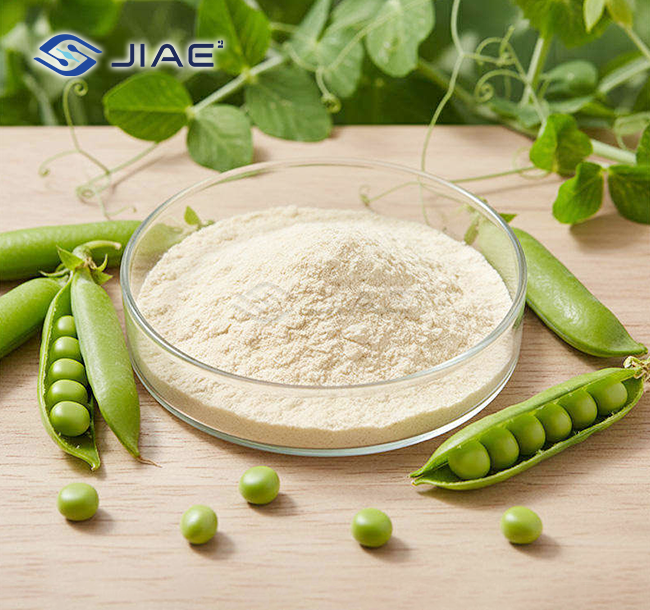
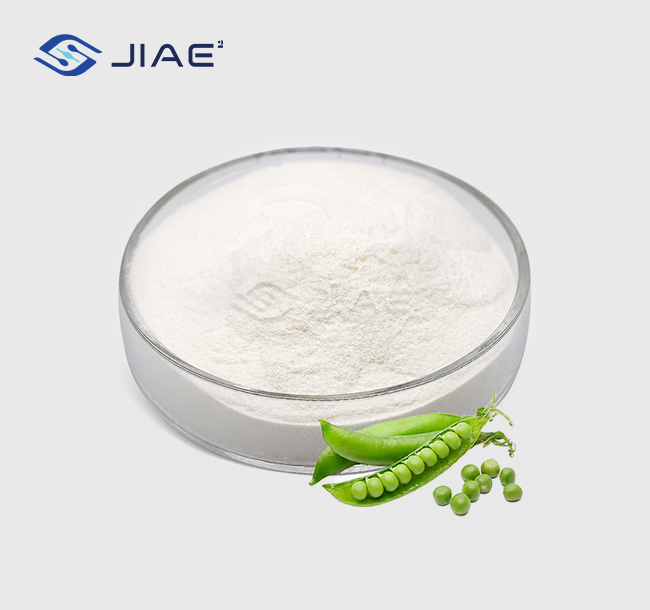
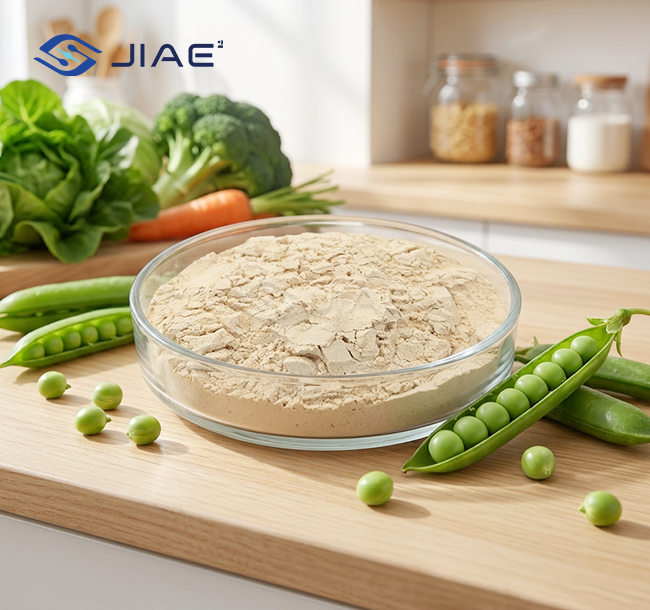
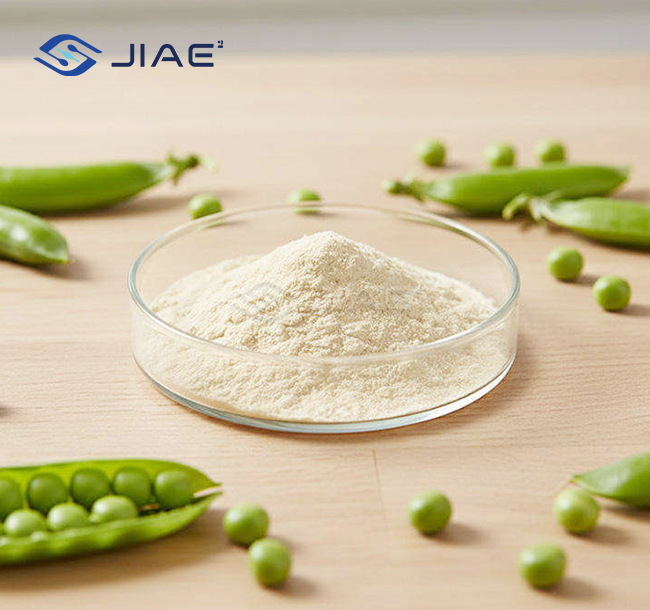
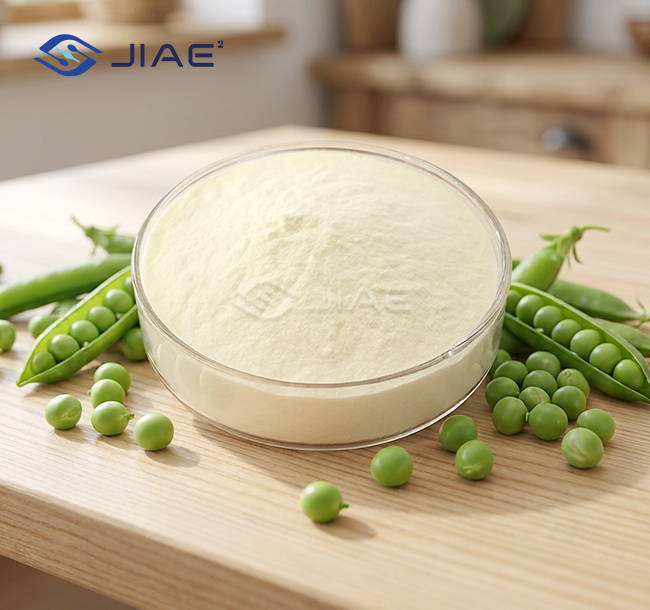
Pea Protein Hydrolyzed Extract
Active Ingredient: Pea Protein Extract
Purity Rate: Above 95%
Origin: CN
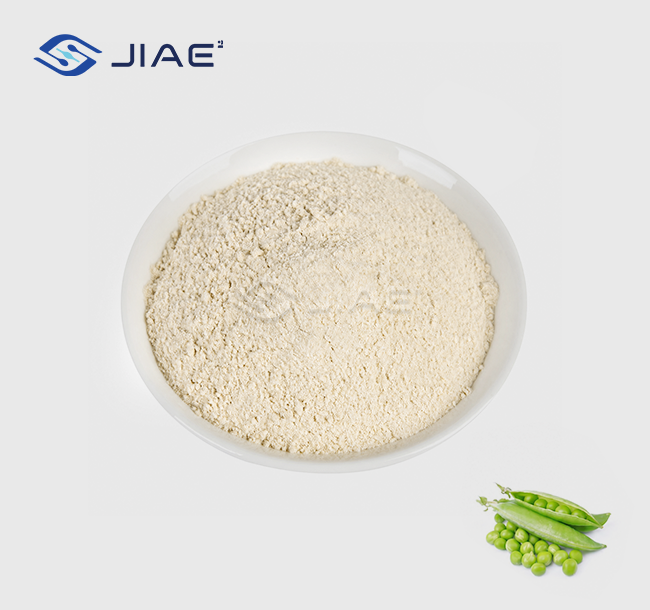
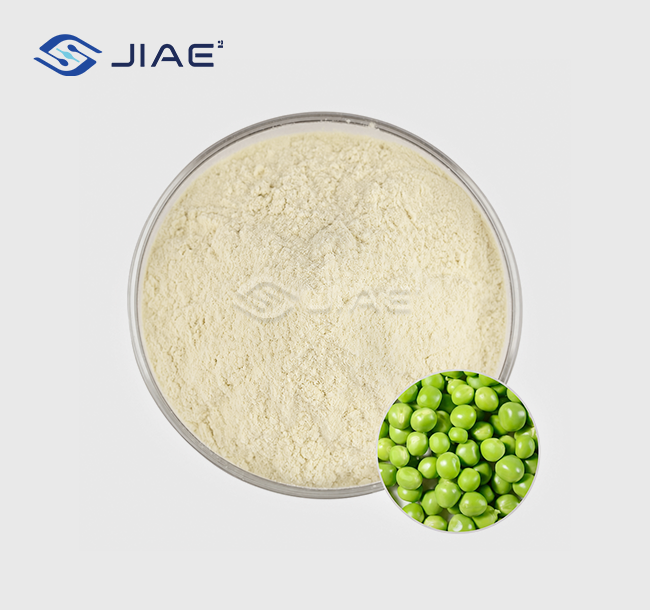
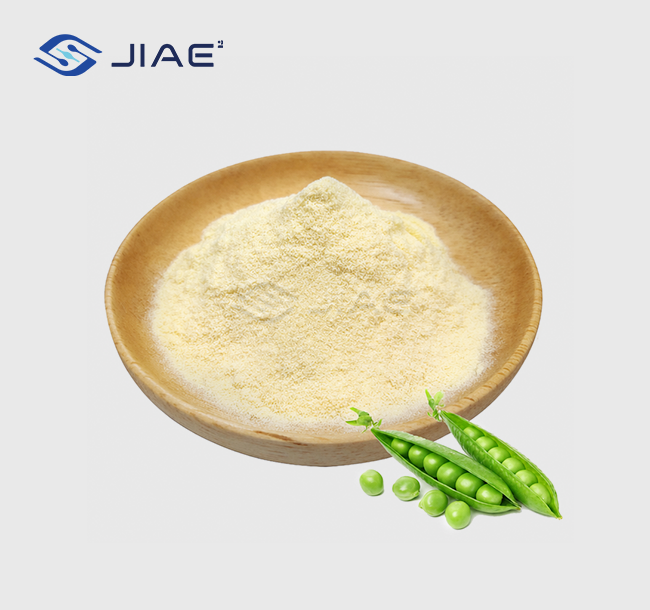
Color: White/pale yellow powder
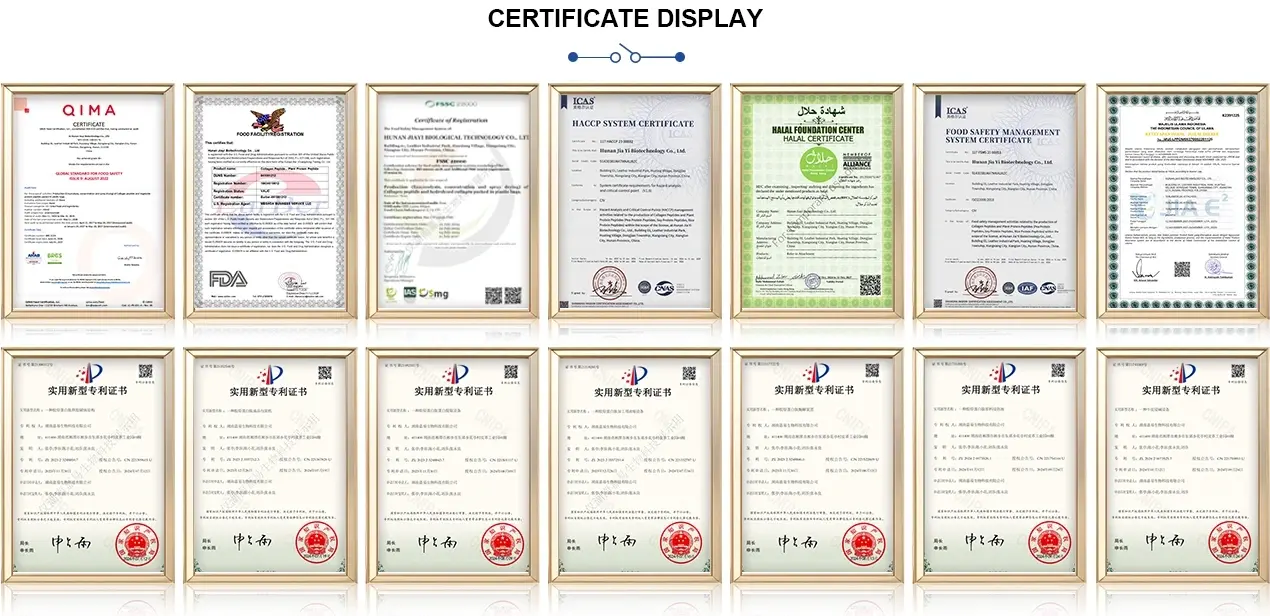
Quality Standards: FDA、 ISO9001、 ISO22000、 HACCP、 BRC、 FSSC22000、HALAL
Shipping Terms: EXW, FOB, CFR, CIF, DAP, DDP
Payment Method: Telegraphic Transfer (T/T)
Shipping: Air, Sea & Rail
Services Offered: OEM / ODM
Stock Availability: Well-Stocked; Secure & Prompt Delivery
Packaging Specs: 10kg / 20kg
Minimum Order Quantity (MOQ): 20 kilograms
Shelf Life Period: 24 months
CasNo: 222400-29-5
Pea Protein Hydrolyzed Extract – High-Purity Plant-Based Bioactive Peptide for Nutrition & Supplement Applications
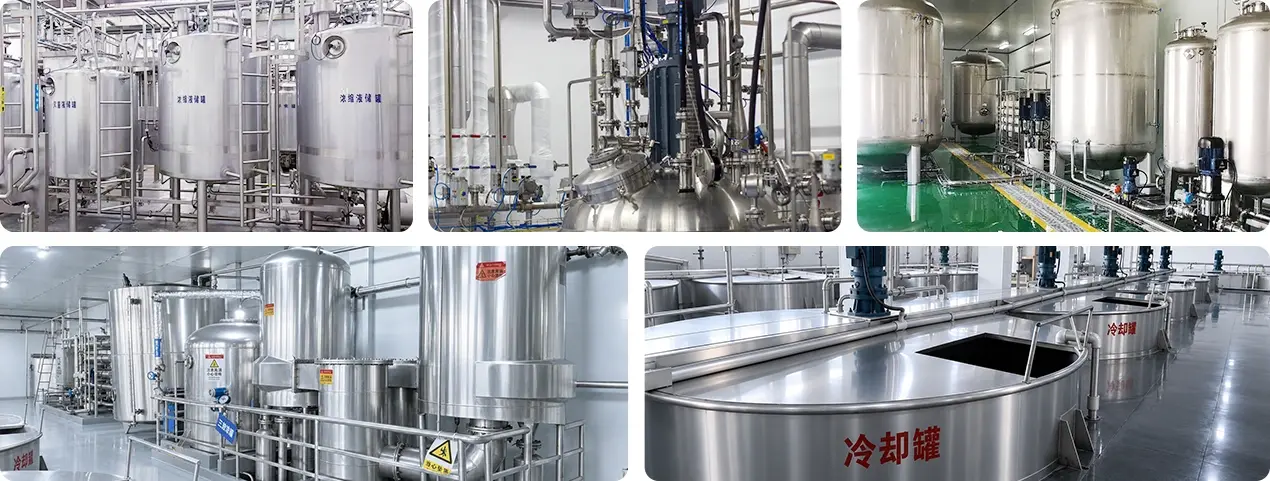
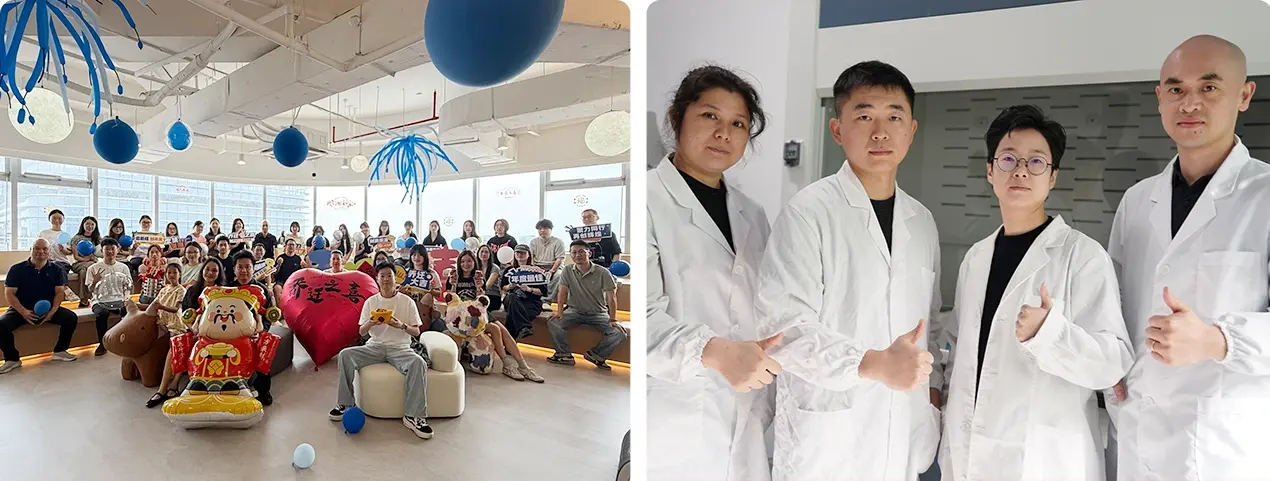
Pea Protein Hydrolyzed Extract at over 95% purity comes from Jia Yi Bio. To make it, non-GMO pea protein gets broken down with modern enzymes. The company has put in 23 years in the field. These days it turns out more than 15,000 metric tonnes of goods every year. Certificates back up quality and safety: FDA, ISO9001, ISO22000, HACCP, BRC, FSSC22000, and HALAL. Composition stays steady from batch to batch. The taste is neutral. Low molecular weight helps as well, so the body takes it in fast. That makes it a good fit for plant-based nutrition products, functional drinks, and dietary supplements.
Why Choose Hydrolyzed Pea Protein Extract Over Conventional Plant Proteins?
Proteins derived from plants typically don't mix well, look grainy, and have an unpleasant flavour. One way our solution addresses these issues is by utilising particular enzymes that can hydrolyse lengthy protein chains into shorter peptides, typically shorter than 1,000 Daltons.
The compound is now instantly accessible without requiring complex digestion as a result of this modification. This is a great alternative to soy and whey for those who have food allergies. It also goes nicely in drinks and doesn't have that raw peay taste.
Branched-chain amino acids (BCAAs) are plentiful in the extract. Every essential amino acid is in there too. Both help muscles recover and keep metabolism healthy. The label is clean, and the sourcing is free of GMOs. Consumers end up with nutrition options that are clear and built to last.
Technical Specifications & Quality Parameters
| Testing Content | Test Method | Testing Value | Single Conclusion | Testing Method | ||
| Sensory Requirements | White or light yellow, with the taste and smell of the product, no odor, powdery or detailed, no clumps, no foreign bodies visible in normal vision. |
Conformed | Qualified | GB 31611 | ||
| Moisture/(g/100g) | ≤7.0 | 4.48 | Qualified | GB 5009.3 | ||
| Ash/(g/100g) | ≤7.0 | 2.9 | Qualified | GB 5009.4 | ||
| Total Nitrogen/(g/100g) | ≥11.2 | 15.3 | Qualified | GB 5009.5 | ||
| Crude protein / (dry basis, N*6.25, g/100g) |
≥70.0 | 95.6 | Qualified | GB 5009.5 | ||
| Relative percentage of peptides with relative molecular masses in the range of 189-10,000 / % |
≥60.0 | Conformed | Qualified | GB 31645 | ||
| pH | / | 5.64 | Qualified | / | ||
| Stacking Density/(g/ml) | / | 0.48 | Qualified | / | ||
| Arsenic/(mg/kg) | ≤0.3 | Conformed | Qualified | GB 5009.11 | ||
| Cadmium/(mg/kg) | ≤0.1 | Conformed | Qualified | GB 5009.15 | ||
| Lead/(mg/kg) | ≤0.8 | Conformed | Qualified | GB 5009.12 | ||
| Total Mercury/(mg/kg) | ≤0.1 | Conformed | Qualified | GB 5009.17 | ||
| Total Bacteria/ CFU/g | n=5,c=2,m=10³,M=10⁴ | 20,30,30,30,20 | Qualified | GB 4789.2 | ||
| Coliforms/ CFU/g | n=5,c=2,m=10,M=10² | Conformed | Qualified | GB 4789.3 | ||
| E.coli / CFU/g | ≤10.0 | Conformed | Qualified | GB 4789.38 | ||
| Mould/ CFU/g | ≤50.0 | Conformed | Qualified | GB 4789.15 | ||
| Salmonella species / CFU/g | n=5,c=0,M=0 | Conformed | Qualified | GB 4789.4 | ||
| Staphylococcus aureus/ CFU/g | n=5,c=0,M=10² | Conformed | Qualified | GB 4789.10 | ||
Every batch goes through OPA degree of hydrolysis (DH) analysis, HPLC peptide mapping, and ICP-MS heavy metal screening. Microbial testing holds aerobic plate counts below 1,000 CFU/g, and pathogens stay out.Core Product Advantages
True Source Traceability
Growers raise these yellow peas under strict farming rules. No genetic engineering is involved. That takes away the risks that come with altered genes. Your body still gets plenty of minerals and vitamins, plus amino acids.
The label stays clean. Gluten, soy, and dairy are not in the product. Records of where each batch of raw material came from, and how big it was, are kept for three years or longer.
Better Stability
Heat and pH do not change the hydrolysed peptide structure. It stays the same. Native proteins lose their function once you heat them high or mix them with acidic liquids. This extract does not.
Production runs stay steady, so you can create with confidence. The product holds up in storage and in use too. Batch-to-batch variation drops, and quality control gets simpler.
Technology for a Clean Taste
Bitter peptides normally show up when plant proteins break down. A distinct enzymatic hydrolysis cuts that amount down. The result is a bland taste. Bitterness is slight only, and no grassy or earthy notes come through.
Ready-to-drink drinks then work without heavy flavourings. So do protein powders and nutrition bars. Clean taste comes through in all of them. Sensory acceptance of your finished products goes up, and customers end up happier.
Application Solutions Across Multiple Categories
How to Eat and Recover for Sports
Pea Protein Hydrolyzed Extract gets taken up fast once training ends. That speed is what makes it a good fit. Small short-chain peptides reach the blood within minutes and hand amino acids to muscles that need them.
Carbs land at 5g–10g per serving in protein shakes and recovery drinks. Endurance goods carry the same range. Creatine, electrolytes, and carb sources all work well with the nutrient. None of them dissolve worse or lose stability.
Functional drinks made from plants
Because they dissolve easily in a wide range of pH levels, they can be used in clear beverages, which wasn't possible with regular plant proteins. Protein waters, fruit-flavored drinks, and even carbonated protein drinks can all be made.
Thin viscosity stops pea protein goods from tasting chalky. Raise the concentration and the extract still looks clear. That clarity gives it an edge as a premium item in a functional drinks market that keeps growing.
Clinical Nutrition & Medical Foods
This ingredient suits people whose digestion does not work well. It is hypoallergenic, so the body handles it easily. Protein arrives in a pre-digested peptide form. That makes absorption simpler and helps you get enough protein.
Those who are sensitive to salt can pick types that are low in salt. When mixed with 70:30 rice protein peptides, the PDCAAS number is close to 1, which means it is nutritionally the same as animal proteins.
Products That Bring Out Your Beauty
Once enough amino acids reach the body, it can build collagen. Skin then stays healthy from the inside out. Beauty supplement mixes pair it with vitamin C. Hyaluronic acid and collagen peptides sit in those same blends.
The fact that it doesn't taste very good makes it easier to make sweet beauty drinks and candies that taste good. It's possible for new products to be made because more and more people are looking for plant-based alternatives to marine collagen.
Pea Protein Hydrolyzed Extract Customization & OEM/ODM Services
Jia Yi Bio lets you change the specifications based on the needs of your application. You can change the particle size, degree of hydrolysis, and molecular weight distribution to get the best results in tablets, powders, liquids, or gummies.
Flexible packaging comes in many formats. Trial sizes start at 1 kg and bulk options reach 20 kg. Food-grade aluminium foil bags serve as the inner packaging. Vacuum seals and PE liners go with them. Custom branding helps with private label and Amazon FBA. Multilingual labels and retail-ready packages do the same for supermarket delivery.
You can test a product before you buy a large amount. Trial orders run in small batches, and samples come back fast. Each shipment also includes the technical paperwork: COAs, MSDSs, third-party test reports, and directions for using the product.
Global Supply Chain & Logistics Advantages
With factories in Hunan, Zhejiang, Jiangxi, and Gansu, as well as stores in California and Thailand, Jia Yi Bio can keep supplies going in a variety of ways. Customers in North America can use the facility in Chino, California to move Pea Protein Hydrolyzed Extract and local stock, quickly restock, and devanning containers.
This infrastructure cuts down on the cost of ocean freight and speeds up delivery times to as little as 10 days from the time an order is placed. Having inventory in other countries lets you respond quickly to changes in market demand without having to worry about long foreign shipping times.
The following shipping terms are accepted: EXW, FOB, CFR, CIF, DAP, and DDP. You can pay with T/T or L/C, and for qualified long-term partners, you can get longer terms of 30 to 60 days. Call-off delivery models let you schedule shipments so that they arrive at different times.
FAQ
Q: Can pea protein peptides get all of their amino acids in balance?
A: PDCAAS scores for pea protein by itself are usually between 0.7 and 0.8. When mixed with rice protein peptides in a 70:30 ratio, lysine and methionine are balanced, and the PDCAAS value of 1.0 is reached, which is the same as animal proteins.
Q: How can you make hydrolysed plant proteins less bitter?
A: Our enzyme-based process only makes peptides that are less slippery. During production, sensory evaluation and amino acid profiling help keep bioactivity while reducing the formation of bitter peptides.
Q: Does this ingredient work with low-FODMAP diets?
A: When galacto-oligosaccharides that cause digestive problems are properly isolated, they are taken out. To back up our low-FODMAP claims, we include proof that oligosaccharides have been removed in our COAs.
Q: What makes your pea protein breakdown better than regular pea protein?
A: Enzymatic hydrolysis breaks down larger peptides into smaller ones that bind water better. Our extract dissolves 98% of the time between pH 2.0 and 10.0, while most isolates only dissolve 60 to 70% of the time.
Q: Is this item able to be used instead of whey in current recipes?
A: A lot of the time, flavouring and texturising systems only need small changes when direct substitution is used. To make reformulation easier, we give application advice and dose suggestions.
Q: Can I get samples of your products to try?
A: For formulation trials, small sample amounts are provided. Get in touch with our technical team to talk about your project needs and get the right sample numbers.
Contact Us
Discover how Pea Protein Hydrolyzed Extract can improve your product formulations with strong functionality Our team provides full technical support from initial concept through commercial production. Reach us at jiayi@biojiae.com.