- English
- French
- German
- Portuguese
- Spanish
- Russian
- Japanese
- Korean
- Arabic
- Irish
- Greek
- Turkish
- Italian
- Danish
- Romanian
- Indonesian
- Czech
- Afrikaans
- Swedish
- Polish
- Basque
- Catalan
- Esperanto
- Hindi
- Lao
- Albanian
- Amharic
- Armenian
- Azerbaijani
- Belarusian
- Bengali
- Bosnian
- Bulgarian
- Cebuano
- Chichewa
- Corsican
- Croatian
- Dutch
- Estonian
- Filipino
- Finnish
- Frisian
- Galician
- Georgian
- Gujarati
- Haitian
- Hausa
- Hawaiian
- Hebrew
- Hmong
- Hungarian
- Icelandic
- Igbo
- Javanese
- Kannada
- Kazakh
- Khmer
- Kurdish
- Kyrgyz
- Latin
- Latvian
- Lithuanian
- Luxembou..
- Macedonian
- Malagasy
- Malay
- Malayalam
- Maltese
- Maori
- Marathi
- Mongolian
- Burmese
- Nepali
- Norwegian
- Pashto
- Persian
- Punjabi
- Serbian
- Sesotho
- Sinhala
- Slovak
- Slovenian
- Somali
- Samoan
- Scots Gaelic
- Shona
- Sindhi
- Sundanese
- Swahili
- Tajik
- Tamil
- Telugu
- Thai
- Ukrainian
- Urdu
- Uzbek
- Vietnamese
- Welsh
- Xhosa
- Yiddish
- Yoruba
- Zulu
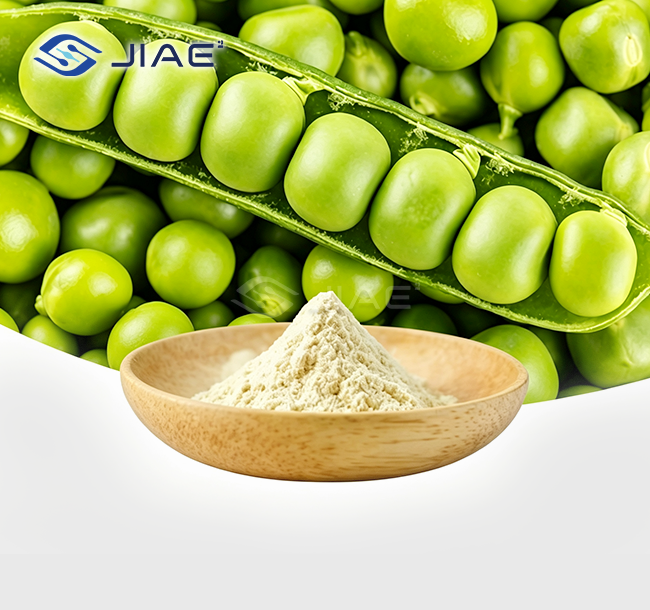
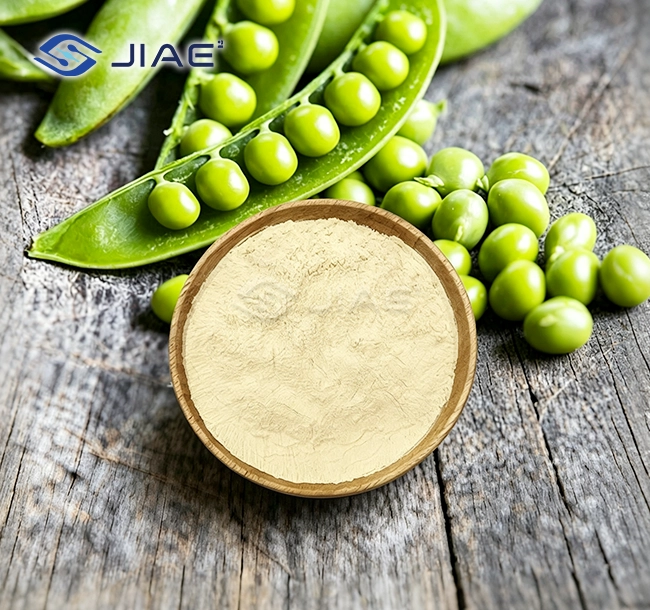
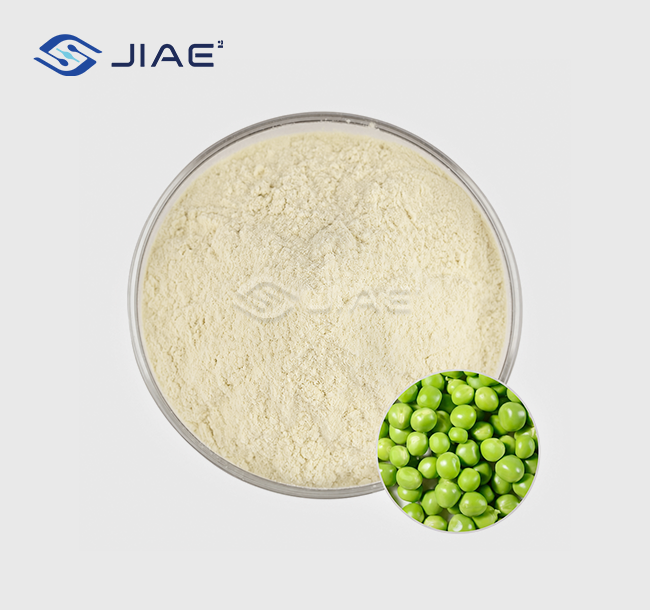
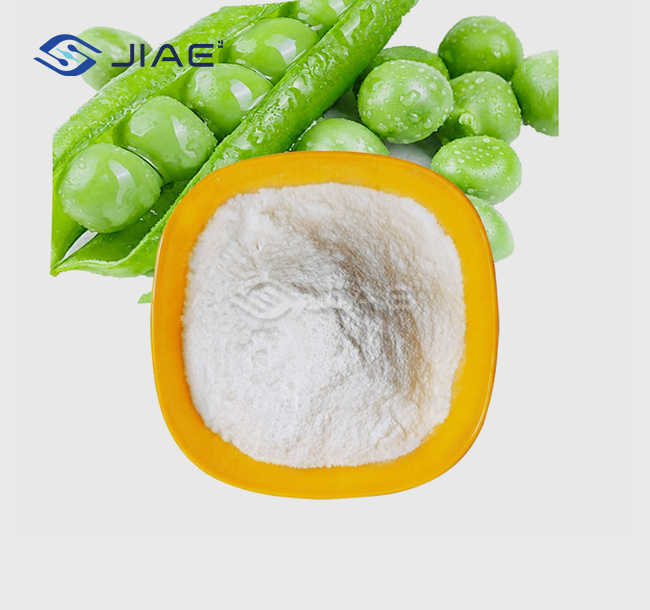
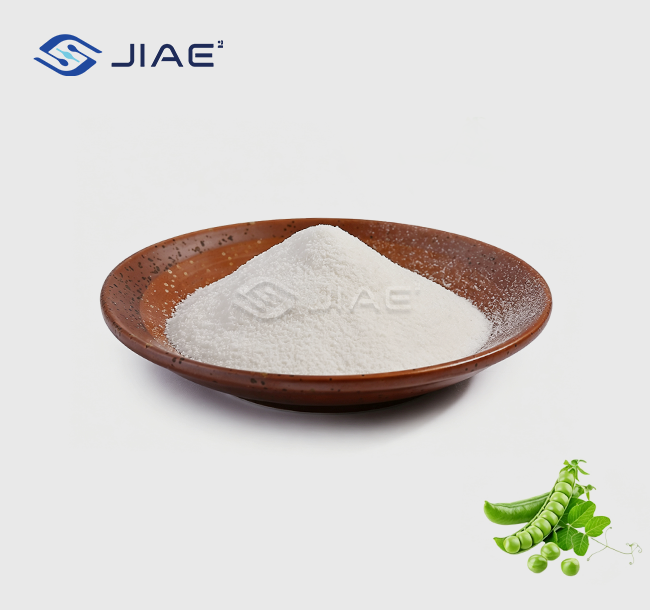
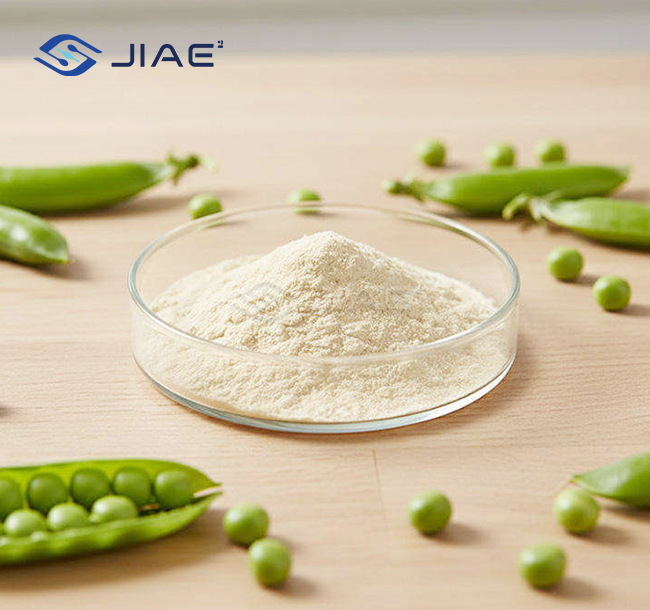
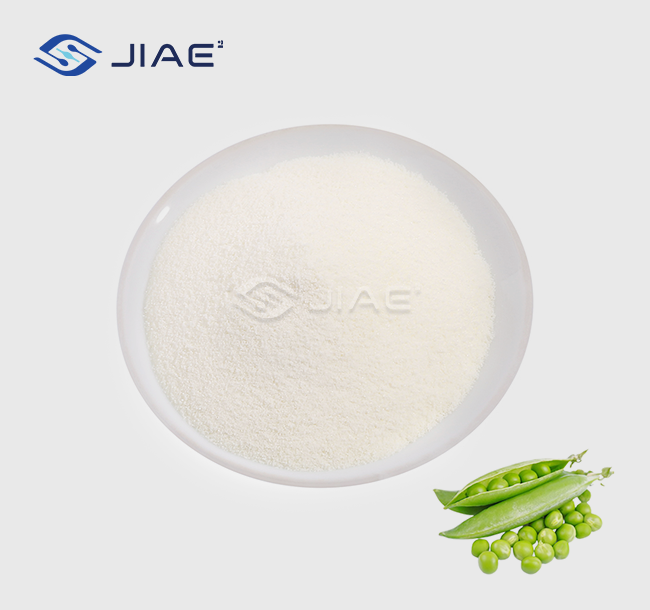
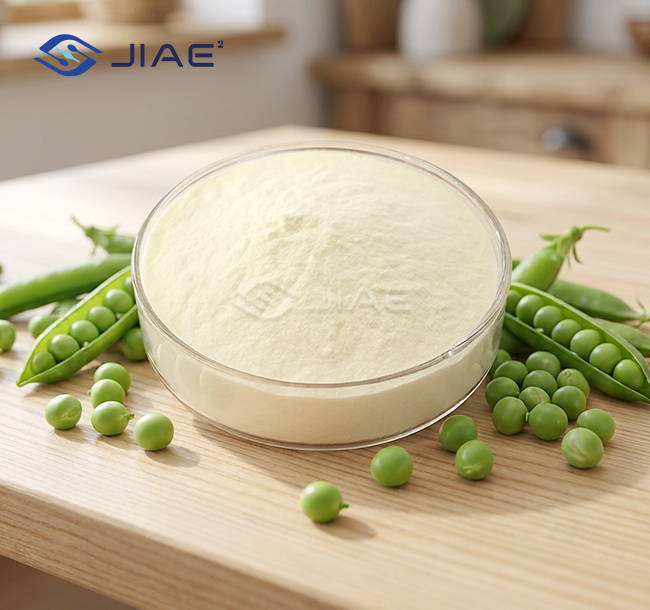
Pea Protein Multi-Peptide
Active Ingredient: Pea Protein Extract
Purity Standard: 95%+
Origin: CN
Color: White/pale yellow powder
Quality Standards: FDA、 ISO9001、 ISO22000、 HACCP、 BRC、 FSSC22000、HALAL
Delivery Terms: EXW, FOB, CFR, CIF, DAP, DDP
Payment Method: Telegraphic Transfer (T/T)
Shipping Options: Air, Sea, and Rail
Services Offered: OEM & ODM
Inventory Status: Well-Stocked; Secure & Prompt Delivery
Packaging Specs: 10kg / 20kg
Order Minimum: 20 kilograms
Shelf Life Period: 24 months
CasNo: 222400-29-5
Pea Protein Multi-Peptide – Plant-Based Bioactive Peptides for Clean-Label Nutrition Solutions
Jia Yi Bio's 23 years of experience with bioactive peptides have given them the enzymatic precision to deliver Pea Protein Multi-Peptide. Our facility makes more than 15,000 tonnes of bioactive peptides every year, with production bases in Hunan, Zhejiang, Jiangxi, and Gansu. This high-tech plant-based peptide solution is ≥95% pure and has a molecular weight distribution that is mostly less than 500 Daltons. It also dissolves instantly at In acidic environments. Through UHT processing at 190°C, the product stays stable at high temperatures. It also meets the standards of FDA, ISO 22000, HACCP, BRC, FSSC 22000, and HALAL, which helps food and supplement brands reach global markets.
Why Choose Plant-Based Peptide Technology?
Traditional plant protein isolates have problems with not dissolving, having the right texture, and having strange tastes that make it hard to make different types of foods. Complex protein structures are broken down into short-chain amino acid patterns by controlled enzymatic hydrolysis. This is what this product does to get around these issues.
Peptides that have already been broken down are mixed together and quickly absorbed by the small intestine through the peptide transporter (PepT1). This multi-peptide form of pea protein stays fully dissolved in a range of pH conditions, while regular pea protein solidifies at its isoelectric point.
This ingredient has a clean label and works well. It also doesn't cause allergies like soy and cheese do. In functional drinks, meal replacements, sports nutrition, and clinical nutrition, it's important that the product has a good taste and dissolves quickly.
Technical Specifications
| Testing Content | Test Method | Testing Value | Single Conclusion | Testing Method | ||
| Sensory Requirements | White or light yellow, with the taste and smell of the product, no odor, powdery or detailed, no clumps, no foreign bodies visible in normal vision. |
Conformed | Qualified | GB 31611 | ||
| Moisture/(g/100g) | ≤7.0 | 4.48 | Qualified | GB 5009.3 | ||
| Ash/(g/100g) | ≤7.0 | 2.9 | Qualified | GB 5009.4 | ||
| Total Nitrogen/(g/100g) | ≥11.2 | 15.3 | Qualified | GB 5009.5 | ||
| Crude protein / (dry basis, N*6.25, g/100g) |
≥70.0 | 95.6 | Qualified | GB 5009.5 | ||
| Relative percentage of peptides with relative molecular masses in the range of 189-10,000 / % |
≥60.0 | Conformed | Qualified | GB 31645 | ||
| pH | / | 5.64 | Qualified | / | ||
| Stacking Density/(g/ml) | / | 0.48 | Qualified | / | ||
| Arsenic/(mg/kg) | ≤0.3 | Conformed | Qualified | GB 5009.11 | ||
| Cadmium/(mg/kg) | ≤0.1 | Conformed | Qualified | GB 5009.15 | ||
| Lead/(mg/kg) | ≤0.8 | Conformed | Qualified | GB 5009.12 | ||
| Total Mercury/(mg/kg) | ≤0.1 | Conformed | Qualified | GB 5009.17 | ||
| Total Bacteria/ CFU/g | n=5,c=2,m=10³,M=10⁴ | 20,30,30,30,20 | Qualified | GB 4789.2 | ||
| Coliforms/ CFU/g | n=5,c=2,m=10,M=10² | Conformed | Qualified | GB 4789.3 | ||
| E.coli / CFU/g | ≤10.0 | Conformed | Qualified | GB 4789.38 | ||
| Mould/ CFU/g | ≤50.0 | Conformed | Qualified | GB 4789.15 | ||
| Salmonella species / CFU/g | n=5,c=0,M=0 | Conformed | Qualified | GB 4789.4 | ||
| Staphylococcus aureus/ CFU/g | n=5,c=0,M=10² | Conformed | Qualified | GB 4789.10 | ||
Strong Functional Performance
Bioactivity isn't just about nutrition. Angiotensin-Converting Enzyme (ACE) inhibitory activity can be measured in the multipeptide structure, which backs up claims about cardiovascular health that are based on clinical studies. DPPH radical scavenging shows that antioxidant capacity protects against oxidative stress in a big way.
The levels of branched-chain amino acids (BCAAs) stay high, and the amounts of leucine, isoleucine, and valine help build muscle. These amino acid profiles are the same as or better than those found in dairy-based peptides, but they are completely vegan-friendly and come with paperwork for both EU and North American markets.
As long as the Nitrogen Solubility Index (NSI) is higher than 98%, there will be no sedimentation problems in ready-to-drink forms. It can be added to protein bars, baked goods, and dairy alternatives without changing the texture or mouthfeel because it is stable in foam and can emulsify.
Quality Assurance Protocol
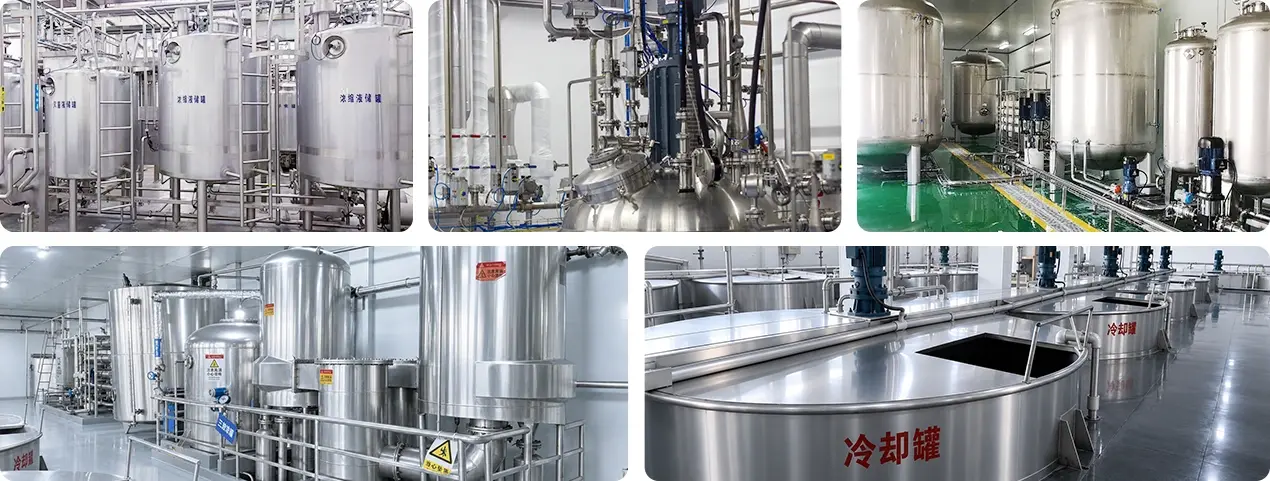
To make sure the molecular weight distribution is correct, High-Performance Size Exclusion Chromatography (HPSEC) is used to test every production batch in great detail. The Kjeldahl method (Nϗ6.25) is used to find the total protein amount, and amino acid profiling makes sure that the BCAA ratios match what the nutritional label says they are.
As part of the contaminant screening process, heavy metals are measured using ICP-MS, and Lead and Arsenic levels must be kept below 0.8 mg/kg. Pesticide residue testing and microbiological research make sure that the Total Plate Count is less than 1,000 CFU/g and that E. coli tests are negative.
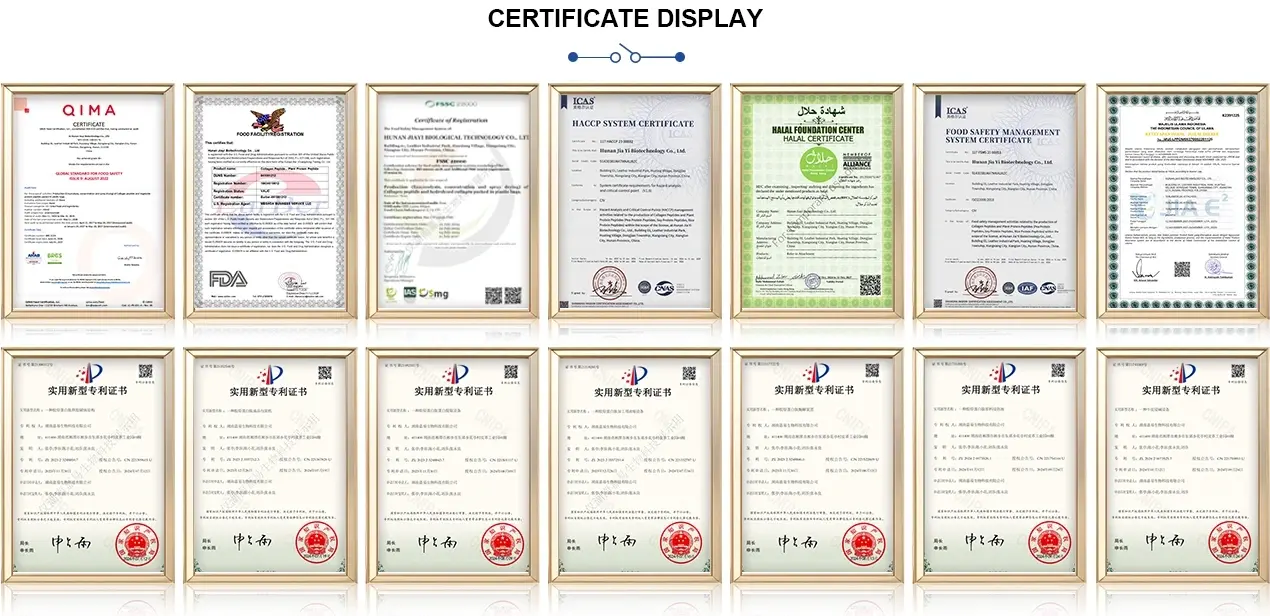
All of the paperwork backs up HALAL and KOSHER certifications as well as GFSI standards. For three years, traceability records for Pea Protein Multi-Peptide keep track of where raw materials come from, output batches, and inspection results. This lets quality questions be answered quickly.
Practical Application Advantages
With yellow pea (Pisum sativum) origin documents, Pure Source Traceability makes sure that the product is not GMO. The ingredient is naturally high in iron, zinc, and essential amino acids, making it the cleanest plant-based choice.
When a peptide is compositionally stable, its structure stays the same during processing and storage. Its useful qualities don't change even after being frozen and thawed, mixed at high speed, or heated.
Pure Taste Profile comes from a special type of enzyme technology that targets certain peptide links. This method lowers the amount of hexanal compounds that give flavours of grass while also limiting the amount of hydrophobic amino acid exposure that makes flavours bitter. Tests with a sensory panel show that it has a weak bitter taste and no off-flavors, so it can be used in delicate flavour systems.
Flexible Supply and Customization for Pea Protein Multi-Peptide
Overseas storage in Chino, California, allows for quick fulfilment in North America, with as little as 10 days between placing an order and shipping it. Freight costs and delivery times are cut down by local stock transfers, container devanning, and drop shipping.
10 kg and 20 kg specifications can be packed in food-grade aluminium foil bags, vacuum seals or PE liners. Different ways of distributing the goods are made possible by custom branding, multilingual labelling, and formats that are ready for Amazon FBA.
As a way to allow for trial formulations, the minimum order quantity for Pea Protein Multi-Peptide starts at 20 kilograms. With call-off delivery models, shipments can be spread out to fit production schedules, and online support is available 24/7 to suit different time zones.
FAQ
Q: What's different about this pea protein from other kinds?
A: Enzymatic hydrolysis makes short peptide chains that dissolve completely and absorb more quickly than protein isolates.
Q: Can it handle being worked on at high temperatures?
A: Yes, thermal stability keeps bioactivity by treating at 135°C for 30 seconds, which is perfect for drinks that will last on the shelf.
Q: Is it truly free of allergens?
A: There aren't any major 8 allergens in pea protein, and hydrolysis further reduces the number of possible allergenic epitopes, giving you peace of mind that it isn't allergenic.
Q: When compared to other plant proteins, how does it taste?
A: Our carefully controlled enzymatic process gets rid of most of the grassy notes, leaving a bland flavour profile that has been tested and proven by taste tests.
Q: What certifications help you get into the global market?
A: These certifications-FDA, ISO 22000, HACCP, BRC, FSSC 22000, and HALAL-ensure that food is safe and meets the standards of many major markets.
Q: Can the way molecule weights are distributed be changed?
A: Yes, we do change the parameters of enzymes to target certain peptide sizes for specific uses in clinical or sports nutrition formulations.
Q: What proof is there that vegan claims are true?
A: There are full vegan declaration documents, such as raw material origin certificates, that can be filed with EU and North American regulators.
Q: How can you make sure that each batch is the same?
A: Each batch's molecular weight distribution is checked by HPSEC analysis, and factory testing and random sampling are both used for dual-layer quality checking.
Q: Does it work in recipes for protein bars?
A: Yes, having good emulsifying power and heat stability makes the texture and protein profile better without changing the taste or shelf life.
Q: What is the normal rate of inclusion?
A: For noticeable health benefits, doses range from 5g to 10g per serving, and can be changed to meet individual formulation goals and label claims.
Contact Us
Ready to integrate plant-based peptide innovation into your product line with Pea Protein Multi-Peptide? Reach out to discuss custom formulations, trial orders, or large-scale supply agreements: jiayi@biojiae.com.