

Can I take Bovine Collagen Protein if I have a beef allergy?
Jul 08, 2025
Leave a message
Hey there! I'm a supplier of Bovine Collagen Protein, and I often get asked this super important question: "Can I take Bovine Collagen Protein if I have a beef allergy?" It's a valid concern, and in this blog, I'm gonna break it down for you.
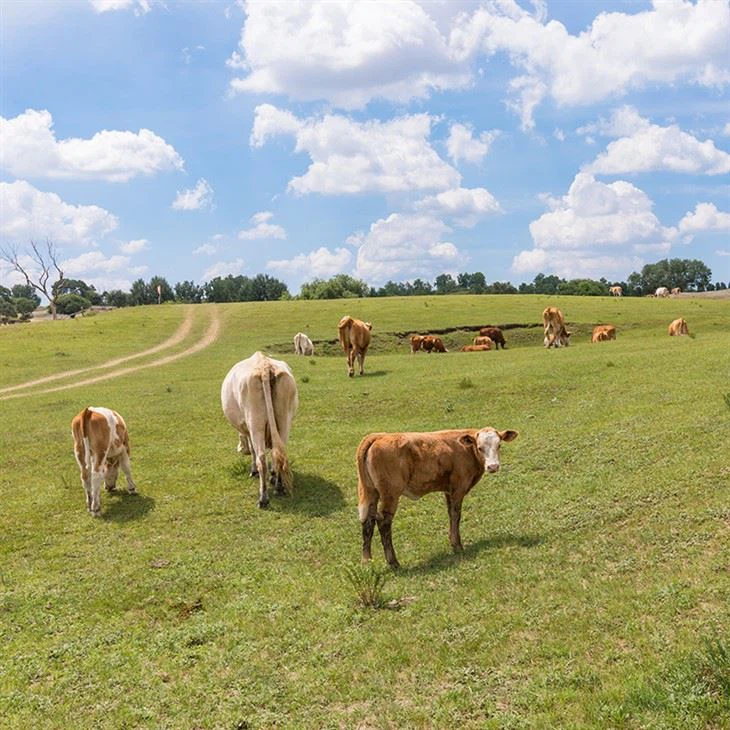
First off, let's understand what bovine collagen protein is. Bovine collagen protein comes from cows. It's a type of protein that's super popular these days because of all its potential health benefits. You can find it in different forms, like Bovine Collagen Peptides Powder. This powder is easy to mix into your drinks or food, making it a convenient way to add collagen to your diet.
Collagen is a key part of our bodies. It's in our skin, bones, tendons, and ligaments. As we get older, our natural collagen production slows down. That's where taking bovine collagen protein can help. It can potentially improve skin elasticity, support joint health, and even contribute to Collagen For Hair Growth. But if you have a beef allergy, things get a bit tricky.
A beef allergy means your immune system overreacts to certain proteins in beef. When you eat beef, your body sees these proteins as invaders and releases chemicals like histamine to fight them off. This can cause symptoms like hives, itching, swelling, and in severe cases, anaphylaxis. So, the big question is whether the proteins in bovine collagen protein are the same ones that trigger a beef allergy.
The answer isn't straightforward. Bovine collagen protein, especially Hydrolyzed Bovine Collagen Protein, goes through a process called hydrolysis. This process breaks down the collagen into smaller peptides. These smaller peptides may not be recognized by the immune system in the same way as the intact proteins in beef.
Some people with beef allergies may be able to tolerate bovine collagen protein. The hydrolysis process might change the structure of the proteins enough that they don't trigger an allergic reaction. However, it's important to note that this isn't the case for everyone. There's still a risk that the collagen could contain some of the allergenic proteins, especially if the production process isn't very strict.
If you have a beef allergy and you're thinking about trying bovine collagen protein, here are some steps you should take. First, talk to your doctor or an allergist. They can give you personalized advice based on the severity of your allergy. They might even recommend doing a patch test or a small oral challenge under their supervision.

A patch test involves putting a small amount of the collagen on your skin and seeing if you have a reaction. An oral challenge means starting with a tiny dose of the collagen and gradually increasing it while being monitored for any signs of an allergic reaction. This should only be done under medical supervision because there's always a risk of a severe reaction.
Another thing to consider is the source and quality of the bovine collagen protein. Make sure you're getting it from a reputable supplier. A good supplier will have strict quality control measures in place to minimize the risk of cross - contamination with allergenic proteins. They should be able to provide information about their production process and whether they test for allergenic proteins.
When you're looking at the product label, check for any additional ingredients. Sometimes, bovine collagen protein products may contain other substances that could be allergenic, like flavorings or fillers. Make sure to read the label carefully and avoid any products that contain ingredients you're allergic to.
It's also a good idea to start with a very small dose of the bovine collagen protein. Even if you've been given the green light by your doctor, it's better to be cautious. Watch for any signs of an allergic reaction, such as itching, swelling, or difficulty breathing. If you experience any of these symptoms, stop taking the collagen immediately and seek medical help.
Now, let's talk a bit about the potential benefits of bovine collagen protein for those who can tolerate it. As I mentioned earlier, it can do wonders for your skin. It can help reduce the appearance of wrinkles and make your skin look more plump and youthful. This is because collagen provides structure to the skin, and adding more of it can help maintain that structure.
For joint health, bovine collagen protein can act as a cushion for your joints. It helps keep the cartilage in your joints healthy and lubricated. This can reduce joint pain and stiffness, especially if you're active or have joint problems due to aging.
In terms of hair growth, collagen is an important component of hair. It can strengthen the hair shaft and prevent breakage. It may also help promote the growth of new hair follicles, leading to thicker, healthier hair.
If you're interested in purchasing bovine collagen protein and you've determined that it's safe for you, we're here to help. We're a reliable supplier of high - quality bovine collagen protein products. Our products are made with strict quality control measures to ensure purity and safety.
If you have any questions or want to discuss your specific needs, don't hesitate to reach out. We can provide you with more information about our products, including the source, production process, and any available certifications. Whether you're looking for a product to improve your skin, joints, or hair, we have options that can meet your requirements.
In conclusion, while there's a possibility that people with beef allergies can tolerate bovine collagen protein, it's a decision that should be made with caution. Always consult a medical professional first. And if you're ready to give bovine collagen protein a try, we're here to assist you in finding the right product for you.
References
- "Food Allergy: A Practice Parameter Second Update" by the Joint Task Force on Practice Parameters, American Academy of Allergy, Asthma & Immunology
- "Collagen Hydrolysate for Skin and Joint Health" in the Journal of Cosmetic Dermatology
Send Inquiry